What is Adventure?

James Lewis • October 31, 2026

Share this article

Written by James Lewis

VetSetters Co-founder, travel philosopher and lover of lakes, mountains and words. Occasionally funny. 

What really is it, anyway?

We talk a whole lot about adventure over here. It’s one of those terms that’s used constantly, and yet if you ask a hundred people to define it, you’re likely to get a hundred different answers. 

If you follow anything related to travel online, you probably have a ready answer to this question. It may well have something to do with long, difficult journeys or extended periods spent in inhospitable places. 


There’s definitely an archetype for what adventure looks
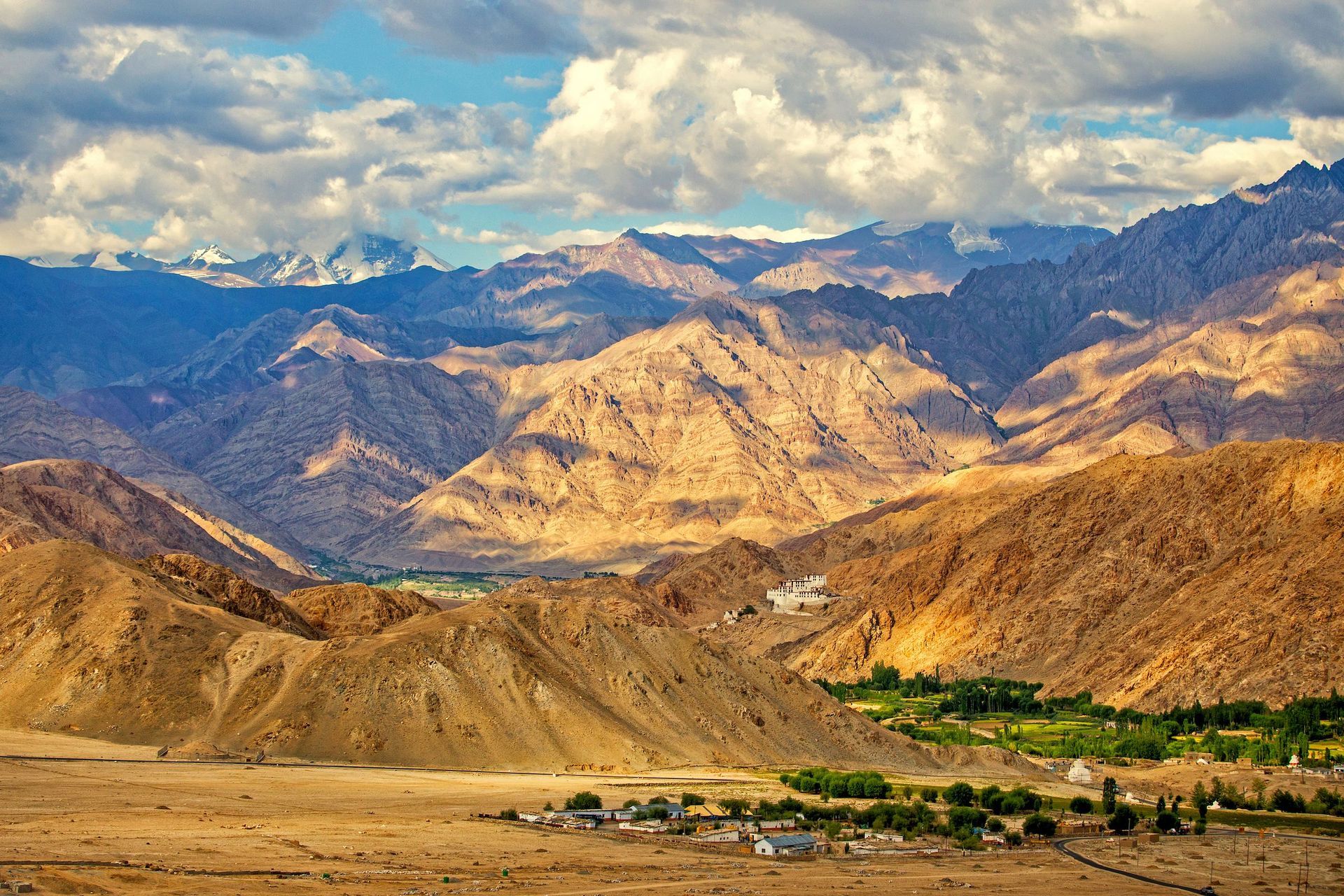
like. We know it when we see it. Swimming amongst hills of ice in the Arctic. Kayaking down the Nile. Traversing the Himalayas entirely on foot.

So does this mean adventure's off-limits to the rest of us?

We don’t believe so. We think that adventure is more internal than external; the spirit in which you do things. How, rather than what.


Adventurer Alastair Humphreys agrees. He reckons adventure is a mindset, an attitude. It’s something that pushes you out of your comfort zone and engenders curiosity, determination and satisfaction. 


He’s also a strong believer that adventure should be difficult and scary, and this is where our opinions diverge.


We wholly believe that adventure doesn’t necessarily have to come with hardship and fear.


"

We wholly believe that adventure doesn't have to come with fear

"


The ingredients of adventure

Disconnection

What we really mean here is some kind of distance from the day-to-day. Anything that gets you out of routines and stops you from thinking about the many tasks you could/should be doing. Not having access to a constant stream of information (i.e. by not having phone signal) and being out in nature help a lot here, but aren’t strictly necessary.


Mindfulness

This is possibly the most important ingredient of all. Being fully present - with yourself and with your surroundings - is the thread that runs through adventure activities. Surfing a killer wave, hiking through a mountain forest or catching a perfect photo of a rare bird all bring you into full contact with the present moment. 


The great news is, this is both free and (kinda) easy to bring into any activity. It all depends on the quality of your attention; how open you are to all of the sense data coming in as you do something. 


Novelty

This helps with the mindfulness part too. Our brains are hardwired to pay attention to things that are novel and new, which is why travel is such a reliable way of becoming more present and relaxed. 


When you don’t know what’s coming around the next bend, all of your senses represent what comes next in high-definition.


Curiosity 

Similarly, curiosity goes hand in hand with novelty. We’re a naturally curious species, and we’re all drawn to learning and experiencing new things. That curiosity - about place, people, history, food, nature, animals and more - is fundamental to the spirit of adventure. 


Curiosity is self-reinforcing. The more curious you are, the more you notice. The more you notice, the more curious you are about what you notice. 


Challenge (not risk)

So far this may sound relatively pedestrian. What separates an adventure from an ordinary holiday or experience is the challenge. To be an adventure, you should have a gap to close with determination. This could be physical or mental - a path to find or a skill to learn. 


Very importantly - challenge does not have to come with high stakes and terrifying consequences if you fail. Challenge is about the level of stretch, not the level of risk.


Uncertainty (not fear)

In the same vein, adventure inherently has some degree of uncertainty that pushes you out of your comfort zone. This uncertainty will keep you focussed and provide you with an enjoyable satisfaction on completion, which is characteristic of a good adventure.


Not required are high levels of fear. Something doesn’t need to scare you to be an adventure. You definitely shouldn’t spend the time leading up to it dreading it, wishing you weren’t doing it. That’s suffering, not adventure.


It's personal

Based on this definition, a long weekend in an unfamiliar city, explored with curiosity and presence, absolutely qualifies as an adventure, if that’s your jam. 


Which leads us on to the most important ingredient of an adventure: it stirs
your soul. It moves you.


These ingredients are heuristics. Common features that form the foundation of an adventure. Bringing all of this to life in a form that calls you is the final and most important step. 


So, in a sense, those one hundred definitions we started with are right on the nose. Just not in the way you’d think. Adventure is personal. Adventures may share some common traits, but knowing what it looks and feels like for you is what turns it from an empty word into one that
means something.

Recent Posts

By James Lewis • October 29, 2026
The months nobody asks about
By James Lewis • October 24, 2026
The most biologically-intense place on Earth
By James Lewis • October 22, 2026
A Wilderness prescription
By James Lewis • October 15, 2026
How to really travel responsibly
By James Lewis • October 7, 2026
How to make the most of a long weekend in Catalunya
By James Lewis • October 7, 2026
How to make the most of three days in the Eternal City
By James Lewis • October 4, 2026
The best of the autumn colours and culture
By James Lewis • October 2, 2026
A detailed guide personally experienced by us.
By James Lewis • September 28, 2026
Our top picks for responsible adventure
By James Lewis • September 23, 2026
How we spent 10 days on Sao Miguel
Show More