What on Earth is "Responsible Travel"?

Written by James Lewis
VetSetters Co-founder, travel philosopher and lover of lakes, mountains and words. Occasionally funny.
How to really travel responsibly
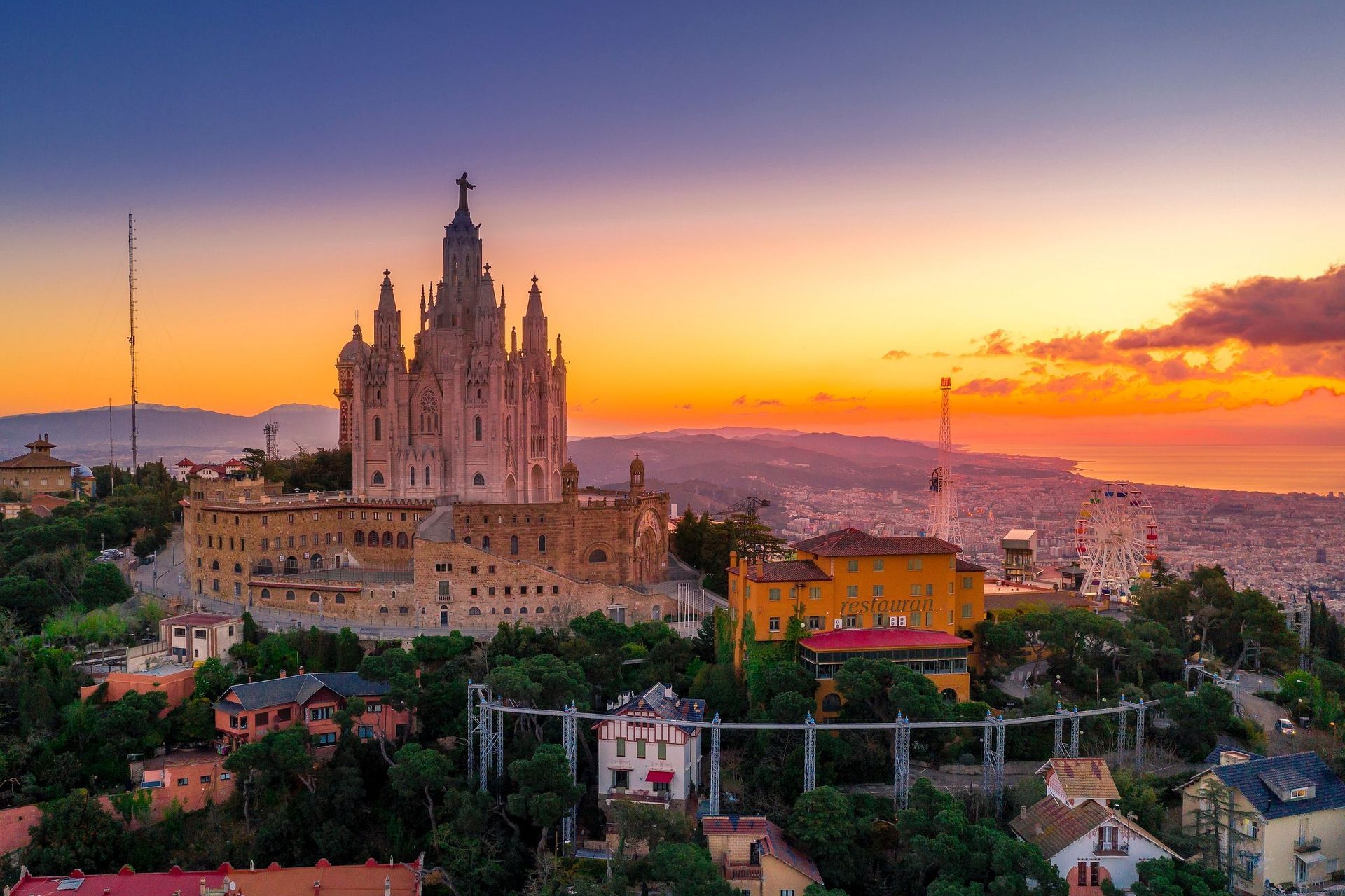
Resident protests in Spain against tourism contrast with rural Japanese towns desperate to welcome visitors. Animals languish captive in front of flashing cameras while others roam wild and free.
The way one chooses to travel has the potential for both harm and benefit. Often used and not particularly well-defined, in essence responsible travel means avoiding the former and enabling the latter.
However, choosing a responsible itinerary can be tricky, particularly as the term 'responsible' is used more and more frequently.
So what does it really mean? What's the difference between a trip built on responsibility from the ground up, versus one where it's an afterthought?
Like any good scientist, we start by defining some terms.
Responsibility vs Sustainability

What's the difference? Or are they the same thing?
Many people - likely including us - are guilty of using these two words interchangeably. Sometimes that's for no other reason than simple variety. For example, I've already lost count of the amount of times I've used 'responsible' in this article.
In practice, though, one is actually a subset of the other.
To make a long story short(ish), 'responsible' travel covers the full range of impacts that travel has on the world. This includes the welfare of wildlife, caring for the natural environment, supporting local communities and the conservation of local cultures and traditions. Additionally, travelling responsibly encompasses both minimising harms and maximising positives.
'Sustainable' travel is simply a subset of this. Sustainable travel is primarily concerned with travel's impact on the environment. It largely focuses on the minimisation of harms rather than on positive impact.
Typical interventions here are things like carbon offsetting, re-wilding, ecosystem protection and waste reduction.
Travelling responsibly, on the other hand, goes beyond reducing carbon emissions or environmental impacts, and places a much greater emphasis on the impact of travel on local communities and wildlife.
In summary, our definition of responsible travel is:
Travel and tourism that is mindful of its impact on people and planet, and takes intentional steps to both reduce harmful impacts and maximise benefits.
I actually wrote this definition for the Responsible Travel Advisor Collective (RTAC), of which VetSetters are a Founding Member. Our Board accepted this definition, so you're not just taking my word for it.
[N.B. this formed part of a much longer breakdown that I wrote about this for RTAC. If you're as nerdy about this stuff as we are and want to see the full definition, email us and I'll gladly share it with you]
A Deep Dive
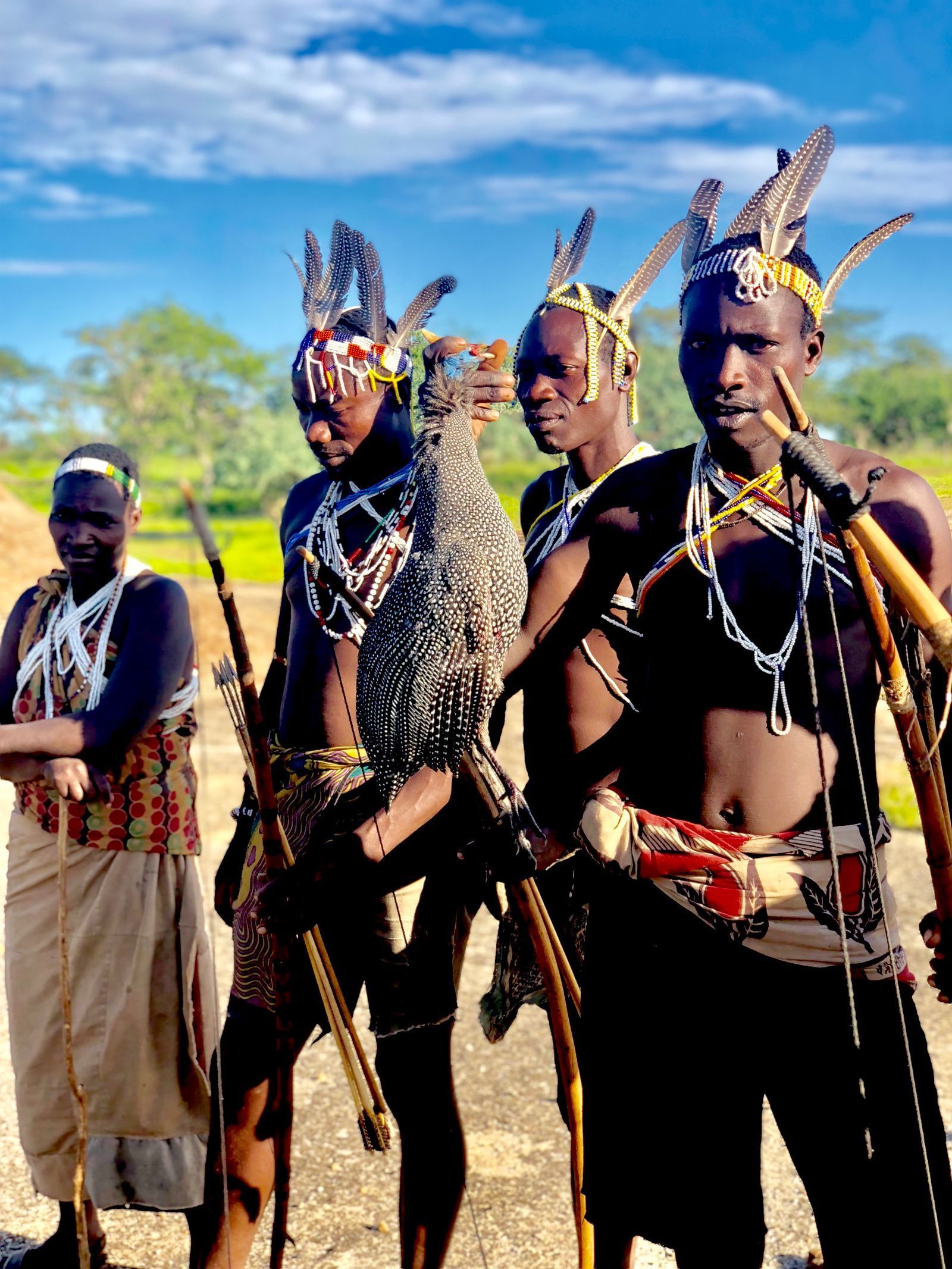
When it comes to having a positive impact on people, there are a handful of things to consider. Protection and promotion of local culture and traditions is paramount here, as well as making sure that the lives of residents aren't disrupted by the influx of tourists. This includes:
- Managing overtourism
- Cuisine
- Languages
- Traditional clothing
- Customs and rituals
- Art, music and dance
- Historic monuments and buildings
- Support for local economies
Managing overtourism is becoming increasingly pivotal. Growing crowds of tourists in 'headline' places doesn't only make your holiday less enjoyable, it puts an unmanageable strain on local people and resources.
Concentrating demand also creates huge inequalities in wealth across countries. While some areas are trying to reduce their tourism intake, other equally-beautiful and lesser-known places cry out for tourism revenue without getting a look in.
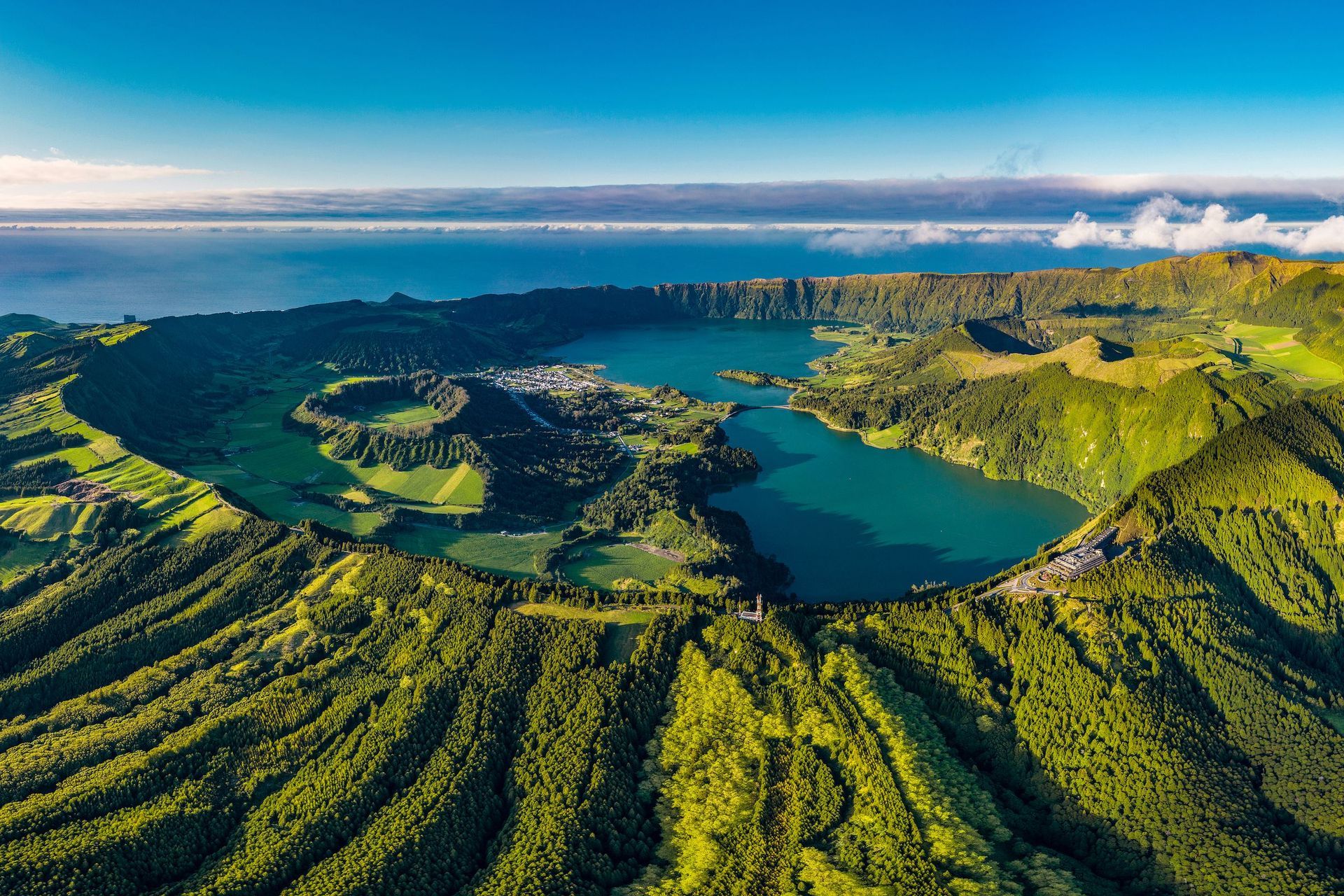
Making more considerate itinerary choices is a win-win. As a traveller, you see a real slice of local life that's undiluted by tourism. You'll walk through peaceful countryside and colourful towns undisturbed by crowds.
Residents meanwhile enjoy a helpful economic boost and the satisfaction of showing a manageable number of visitors the home that they take pride in.
Wildlife
This is, naturally, very close to our hearts. Making a positive impact for wildlife is multi-faceted; there are numerous ways to support wildlife conservation:
- Care for injured wild animals
- Working animal conditions and treatment advocacy
- Marine animal care
- Human-wildlife conflict prevention and education
- Addressing animal-derived souvenir products
- Supporting the conditions and welfare of captive animals
- Advocating against animal-based entertainment
Our friends at Ol Pejeta Conservancy in Kenya put a lot of this into practice. They care for the last two Northern White Rhino in the world, as well as for critically-endangered black rhino and chimpanzees, with a combination of cutting-edge science and human care.
They work with their neighbouring communities to carry out anti-poaching activity and support landowners to protect their crops, thus reducing human-wildlife conflict.
What we love most, though, is their collaborations with veterinary professionals and contribution to research projects covering the entire ecosystem, from rhino health to plant diversity.
Environment
Minimising emissions and waste of various kinds is a crucial part of sustainable tourism, but it's not the full story. Air pollution in particular has been recognised one of the most significant health risks to humankind globally. Projects focussed on the monitoring and enhancement of both air and water quality represent an enormous opportunity for positive impact.
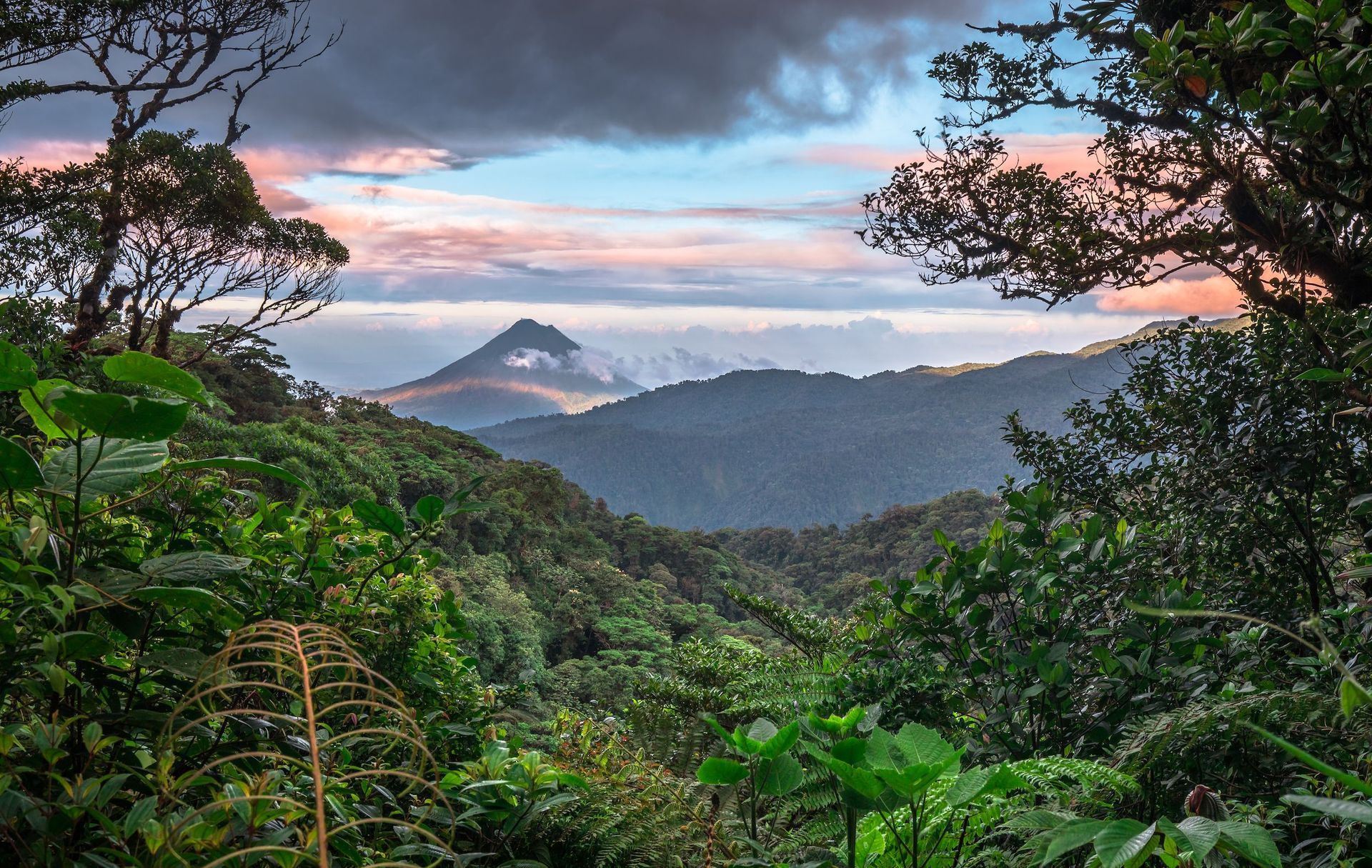
Re-wilding and biodiversity enhancement projects strengthen entire ecosystems and allow indigenous species to thrive. Biodiversity collapse happens exponentially, so it's no exaggeration to say that any strengthening of local ecosystems helps to arrest decline across the entire world.
We love the work that hotel chain Iberostar do here. One of our closest European hotel partners, Iberostar's Waves of Change programme spans marine ecosystem restoration, sustainable fishing, enhancing water quality & green spaces and extreme reduction of consumption (both food and energy) across their hotels.
All of this is underpinned by good science. Supporting conservation science through field-based data collection and research has the potential for exceptional impact; the stronger the evidence base, the more finessed subsequent positive impact work can be.
"
Travelling responsibly is about minimising harms and maximising benefits
"

Responsible Travel Agent-ing
Finding and verifying responsible travel is hard. As if planning a trip alongside the demands of practice weren't already hard enough, researching and validating responsible transport, accommodation, dining and activity options can add hours to the already labourious process of planning a trip that everyone will like.
We build all of our itineraries responsible-by-default. This means that the primary option that we build for you at quoting stage already has sustainable accommodation, transport and activity options where possible.
We also assess all of our supplier partners against responsible travel criteria, only using those that pass (preferentially using B-Corp certified suppliers above all). Particularly across Africa, we have a pool of safari camp owners that we know personally, and have verified the work they do to protect the ecosystems and support the local communities that live alongside them.
What we won't book
In line with our Animal Welfare Policy, we won't book any activities or excursions that involve the use of captive animals for entertainment. This includes marine parks and elephant entertainment as well as things like dancing bears, snake charmers or performing monkeys. We also do not book activities that unnecessarily habituate wild animals to humans, including lion walks.
The Flying problem
It would be remiss of us not to mention the environmental impact of flying. Flying accounts for over half of all travel emissions; in some cases a great deal more than that.
This is a relatively intractable tension. Until hydrogen-powered planes become a reality, the only way to get across the globe within a practical span of time is to do it using jet fuel.
That practicality is central here. There are a bunch of things that one could do to remediate the flying problem. But, unless you have limitless money and free time, then many of these things aren't reasonable.
That said, there are helpful things you can do (see right)
It's important to remember that there's really no such thing as perfection here. Travel comes with costs, that need to be seen clearly for what they are and actively minimised.
However, travel also comes with enormous benefits - to both travellers and to locals - when it's done carefully and respectfully.
What you can do
- Avoid flying: the obvious one. If you can get there by train or by bus then do it. This only really works for very short-haul destinations, but it makes the biggest difference if you can do it.
- Book a direct flight: take-off and landing cause the biggest emissions, so non-stop flights are kinder to the planet.
- Fly in Economy: flying in Business Class is more energy-intensive than flying in Economy, and so increases your carbon footprint considerably.
- Travel slower: by taking longer, fewer trips, you get to see more of a country in one go, instead of making multiple trips to different parts. Your holiday will be much more relaxed, too.
- Pack light: by adopting more of a minimalist packing style, you'll save weight on your luggage, increasing the fuel efficiency of the plane. If everyone on the plane shaved even a handful of kilos off their luggage weight, the positive impact would be significant.
- Eat local: as well as giving you an authentic taste of your destination, eating locally reduces the food miles that it takes to go from farm to plate, while also minimising waste and supporting the local economy.
Going forward
We really believe in the power of travel to make a positive difference, in the world and to the world. Travel supports our wellbeing, brings people together and raises crucial awareness for important causes across our planet.
At heart, travelling responsibly is about care. Care is what drives us to choose wild over captive and to support the small town in lieu of the big attractions. Travelling responsibly is how we give back more than we take.
Recent Posts