The World's Best Wildlife Spotting

James Lewis • October 24, 2026

Share this article

Written by James Lewis

VetSetters Co-founder, travel philosopher and lover of lakes, mountains and words. Occasionally funny. 

The most biologically-intense place on Earth

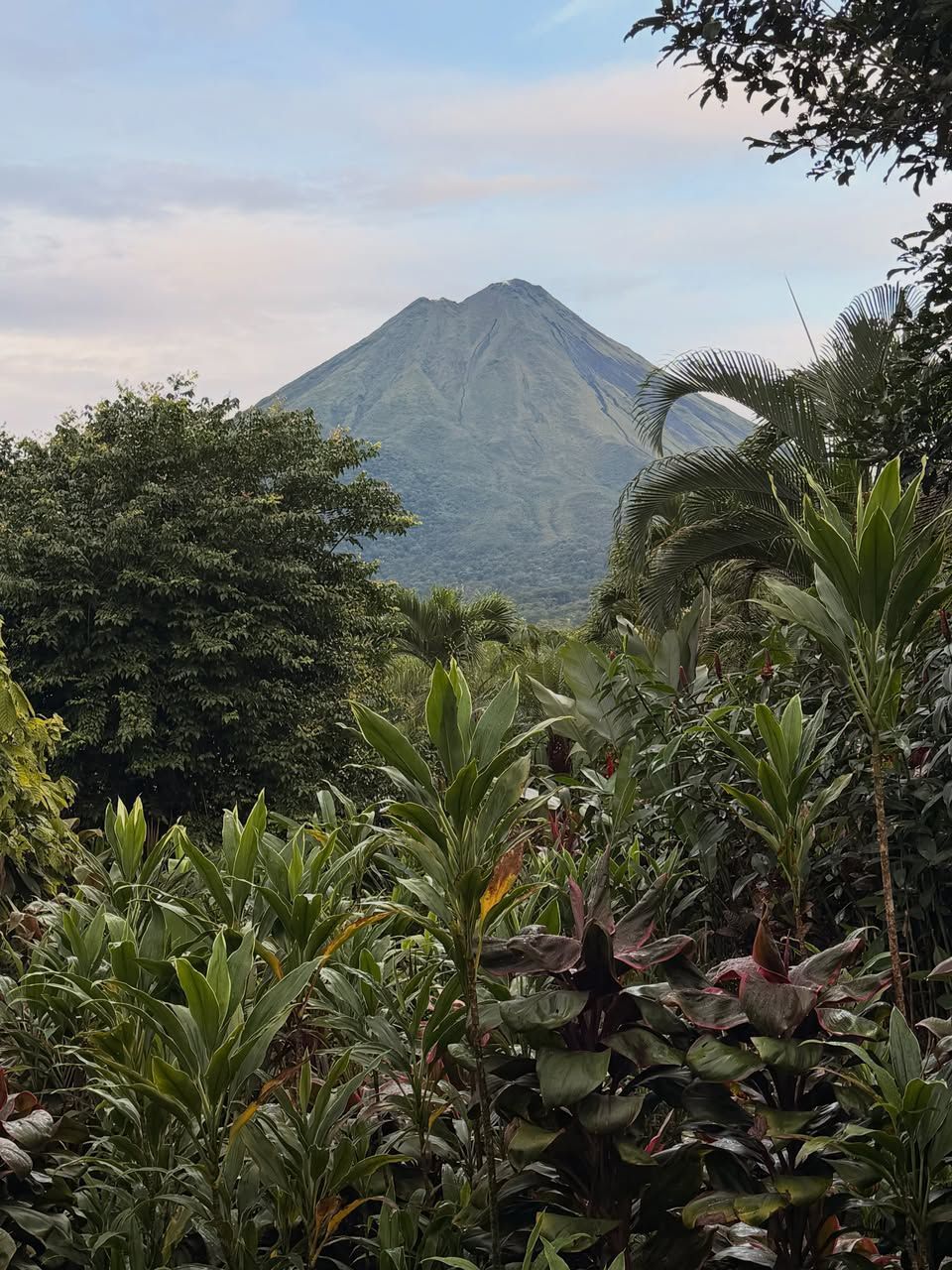
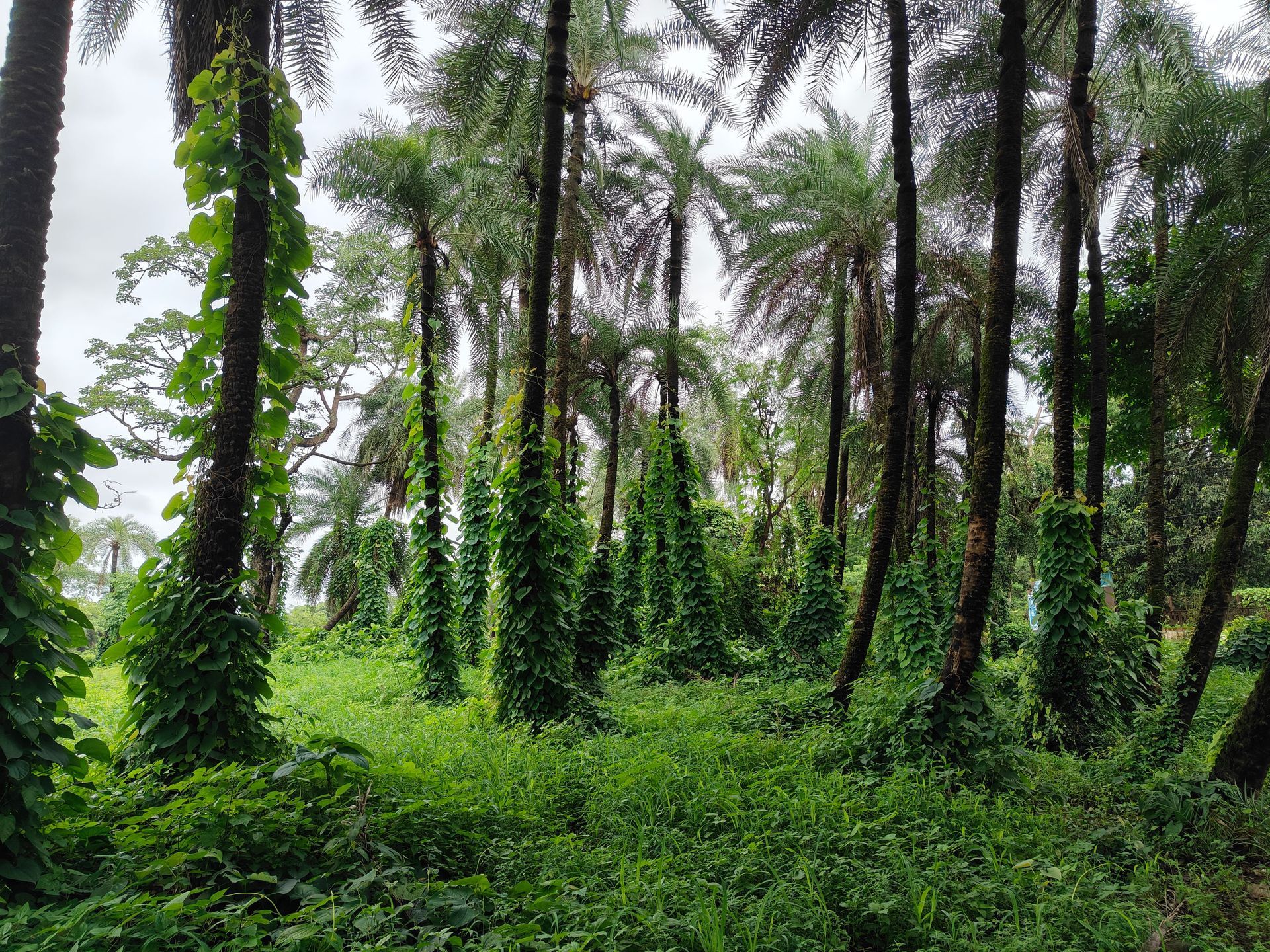
In Corcovado National Park, the heavy air reverberates with unseen activity. The soundscape is in constant motion. Underfoot, wooden sentinels whisper to each other along fungal phone lines; warning their neighbours of the unfamiliar biped in their midst. 


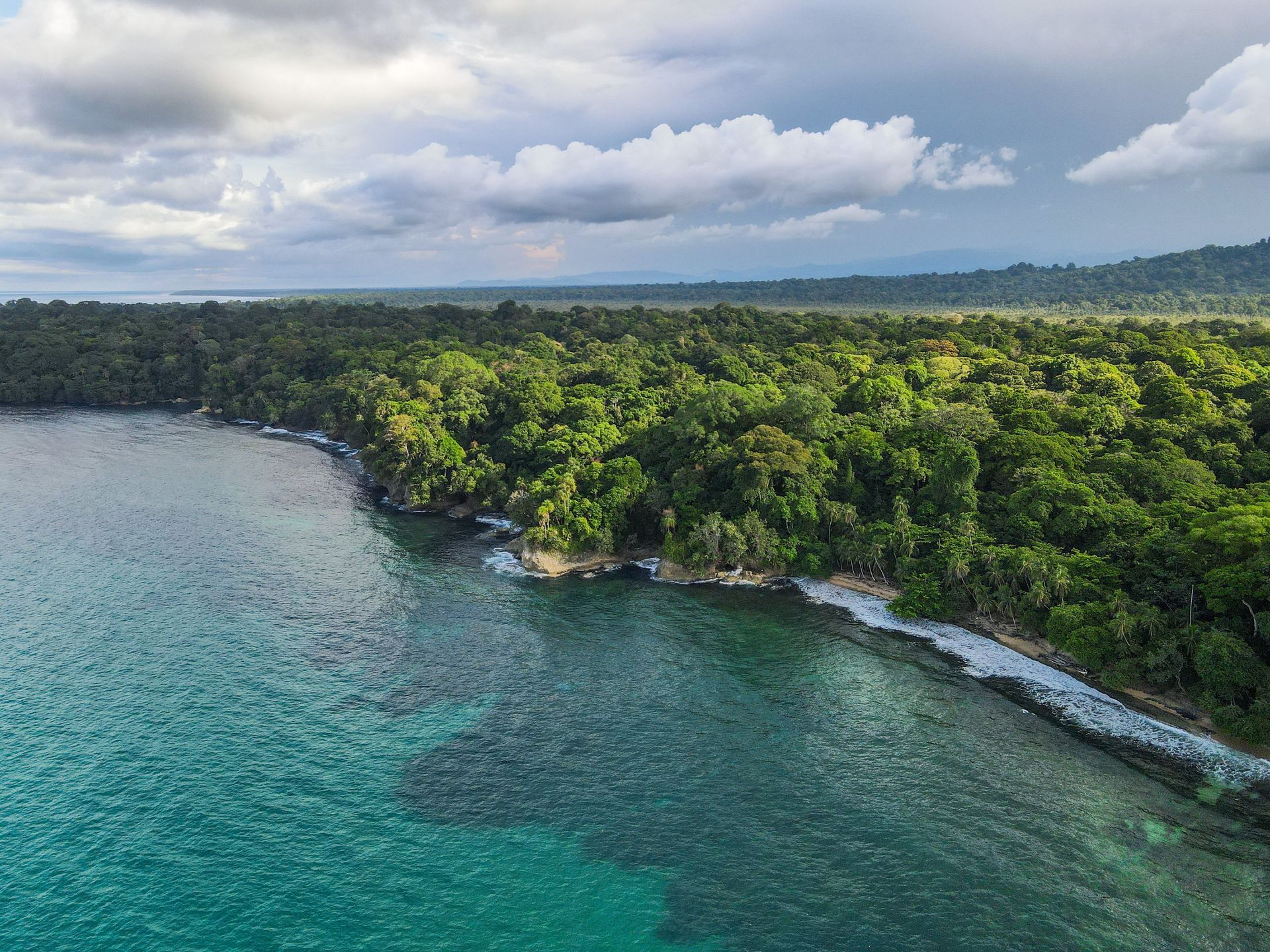
The Osa Peninsula in south-west Costa Rica is one of the most biologically-abundant places on the face of the earth. It holds 2.5% of the entire planet's biodiversity in 0.01% of the world's area.

This is safari on 'advanced mode'

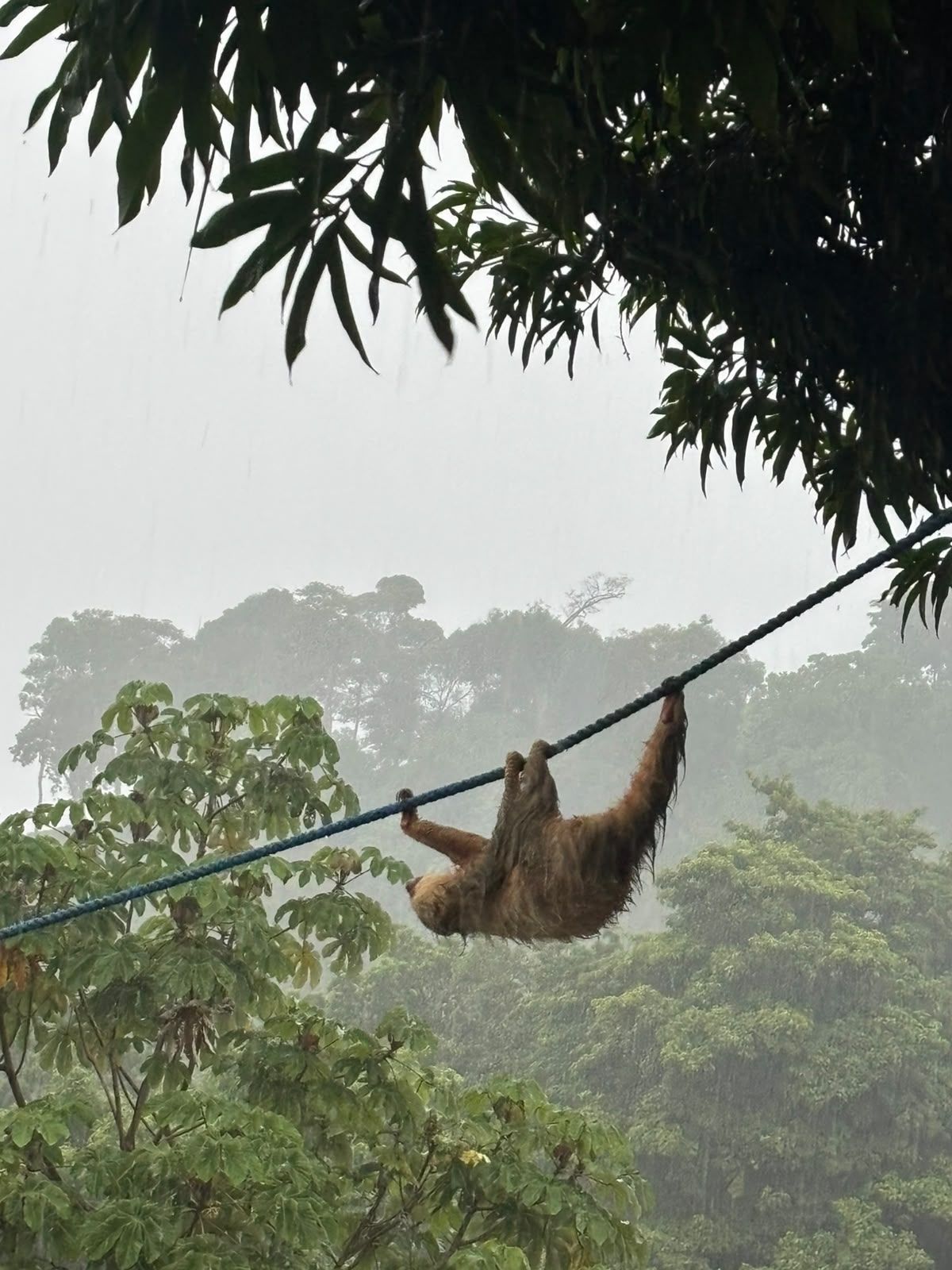
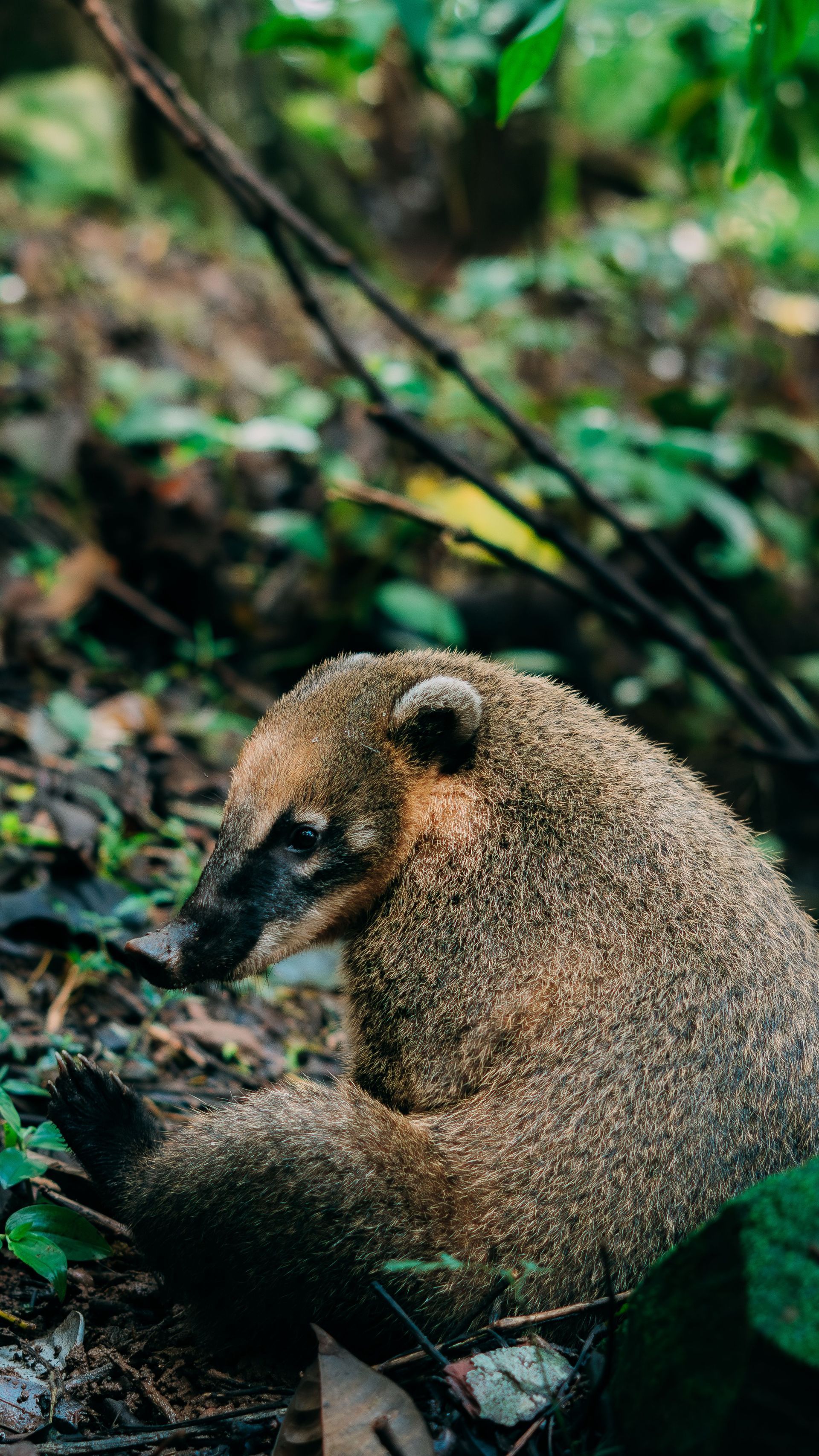
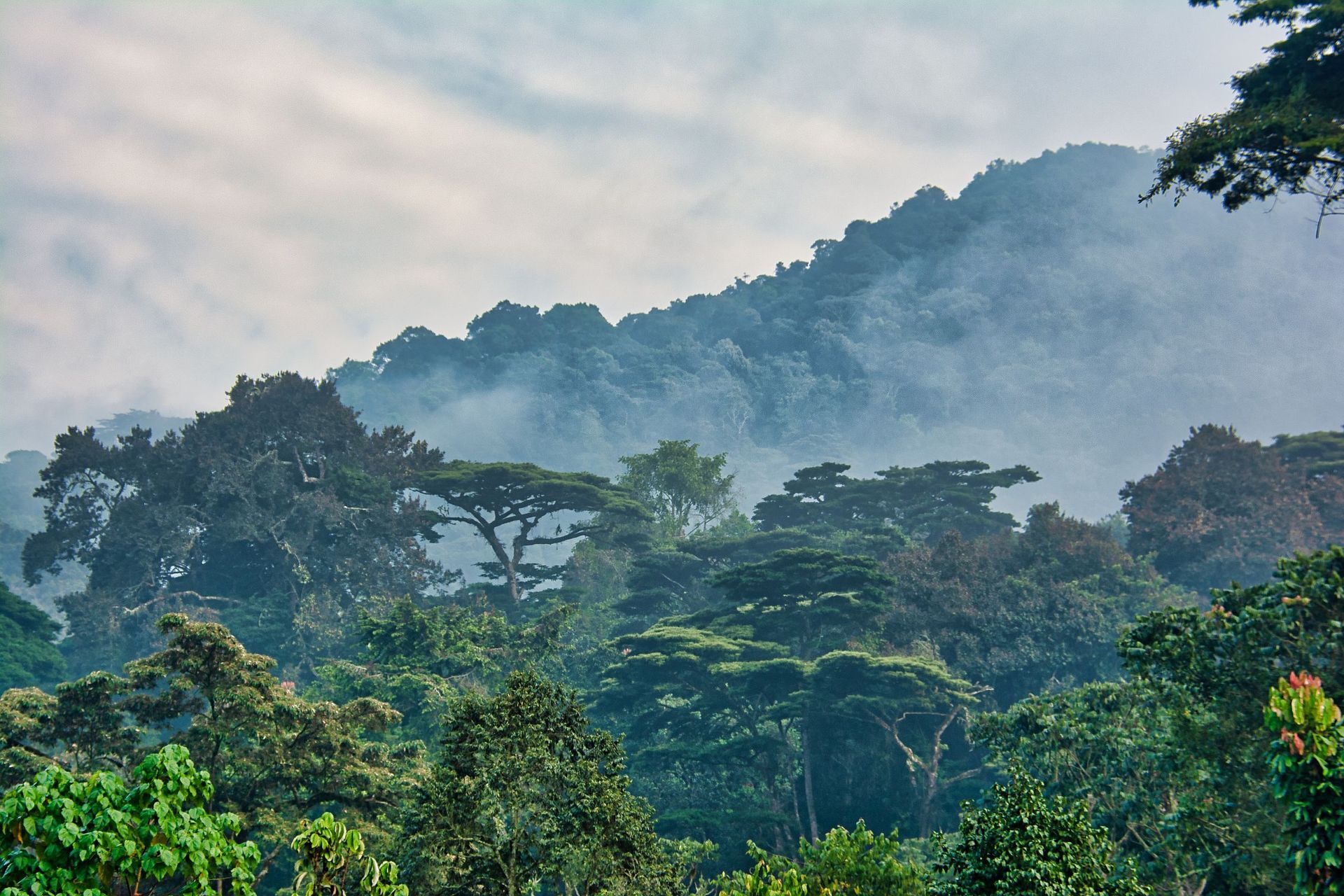
Here under the dense canopy, Costa Rica's shyest and most endangered creatures hide out. Sloths, peccaries, anteaters and Baird's tapir all comb through the trees of Corcovado. You'll also find all four species of new-world monkey. The diminutive shape of endangered squirrel monkeys rewards those with the sharpest eyes.


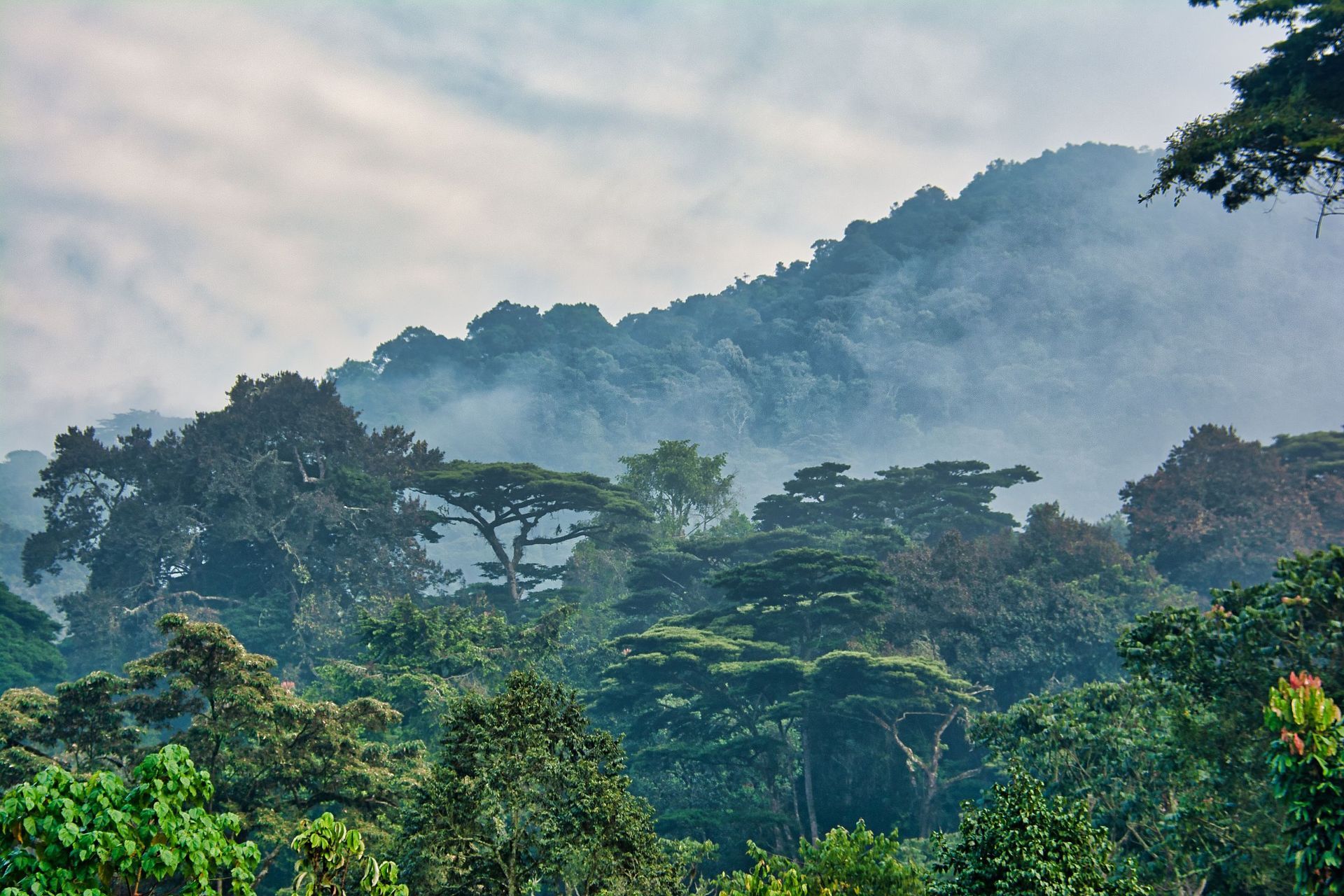
Hundreds of birds and thousands of insect species inhabit the 700+ tree species of the forest (more than all the northern temperate regions combined). You'll hear the raucous ‘raaaaaak’ of the scarlet macaws just before you see their bright rainbow plumage. With their garish colours and loud screeching, they'd be considered the ravers of the rainforest if they weren't so pretty.


The luckiest will even see the big cats - puma and hyper-elusive jaguar stalk the deepest, most remote parts of the jungle. In the broken light of the forest canopy, flashes of colour catch the eye even more easily. 


"

Add your pull quote here

"


An aqua safari

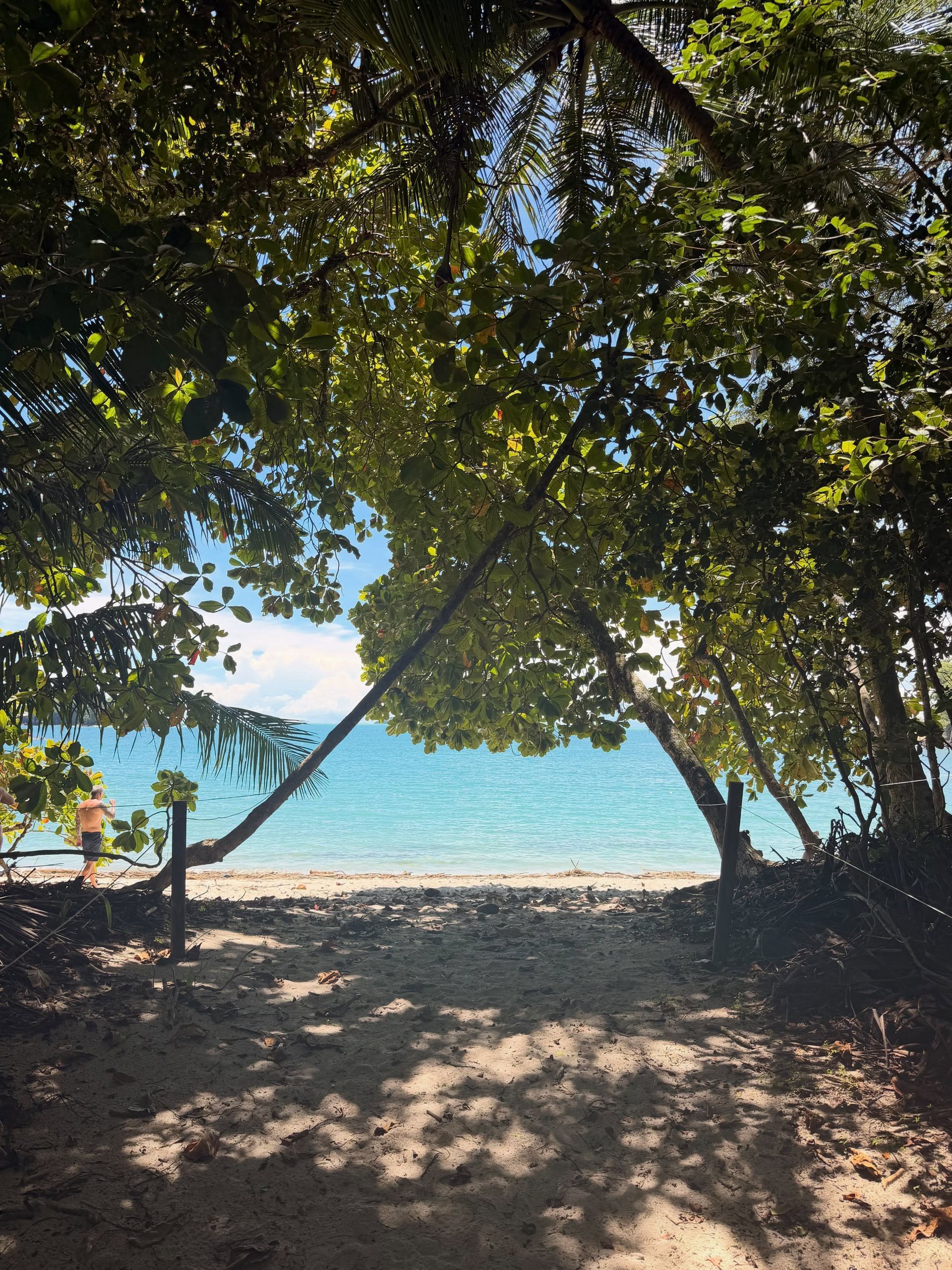
It's not just the rainforests that pulse with life and colour. Caño Island is a biological Reserve whose waters offer the chance to see the darting shapes of sea life big and small. Its location at the meeting point of two tectonic plates makes it an underwater highway of remarkable diversity.


The clarity of the water here, along with the abundance of marine life, makes it the best spot in the country for snorkelling and diving. 


Dolphins, eagle rays, sea turtles, eels, barracudas, whales and whale sharks are headline-grabbing; the 200+ species of fish provide the fluorescent backdrop to the bigger creatures. 


Beneath the dense schools of fish is the healthiest and largest coral reef system in Costa Rica. Thanks to its location and being a biological Reserve, the corals here have been particularly resilient in the face of El Niño bleaching. This leads to them being used as refuges by marine life during increasingly-extreme sea temperature fluctuations.


Meanwhile, the sheltered, deep waters of Golfo Dulce - one of the world's only tropical fjord systems - provide sanctuary for sea turtles, dolphins and humpback whales. 


Behind the mangroves that grow where the land meets the sea, the jungle quickly re-asserts itself. Trees tall and old - reaching up to 40 metres in height - harbour the array of wildlife that you've come to expect on the Osa Peninsula now. 


Bird and insect life thrive here, enjoying the nearby water and the shade of the canopy. Toucans, hummingbirds, woodpeckers and those blazing macaws also enjoy the abundance of insect life that calls the jungle home.


Osa Peninsula has been called the most biologically intense place on the face of the Earth. Across both land and sea, the wildlife you'll find here will not be easily forgotten. 

Recent Posts

By James Lewis • October 29, 2026
The months nobody asks about
By James Lewis • October 22, 2026
A Wilderness prescription
By James Lewis • October 15, 2026
How to really travel responsibly
By James Lewis • October 7, 2026
How to make the most of a long weekend in Catalunya
By James Lewis • October 7, 2026
How to make the most of three days in the Eternal City
By James Lewis • October 4, 2026
The best of the autumn colours and culture
By James Lewis • October 2, 2026
A detailed guide personally experienced by us.
By James Lewis • September 28, 2026
Our top picks for responsible adventure
By James Lewis • September 23, 2026
How we spent 10 days on Sao Miguel
By James Lewis • September 15, 2026
Its pitfalls and perils
Show More