The Healing Power of Adventure

Written by James Lewis
VetSetters Co-founder, travel philosopher and lover of lakes, mountains and words. Occasionally funny.
A Wilderness prescription
Quiet.
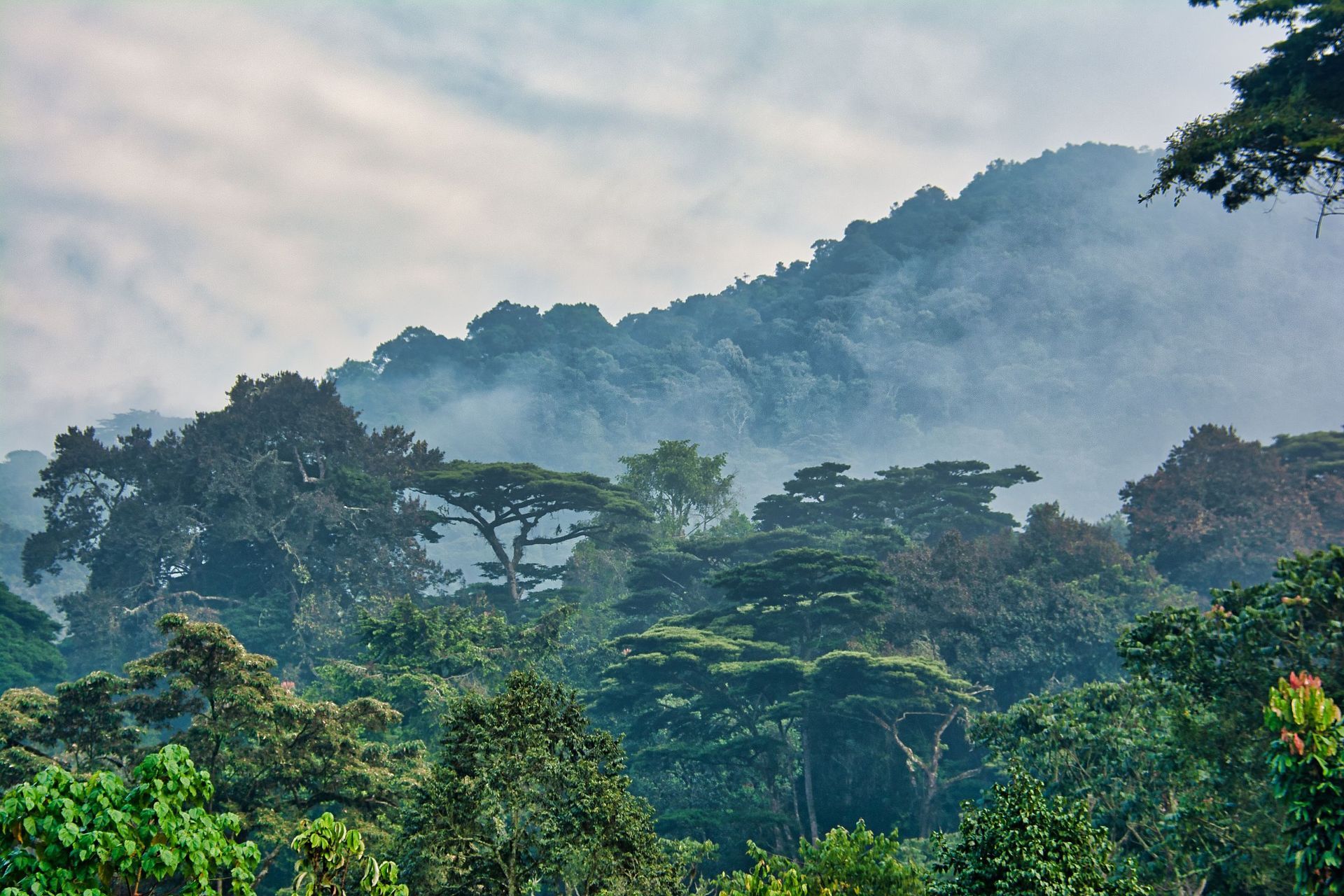
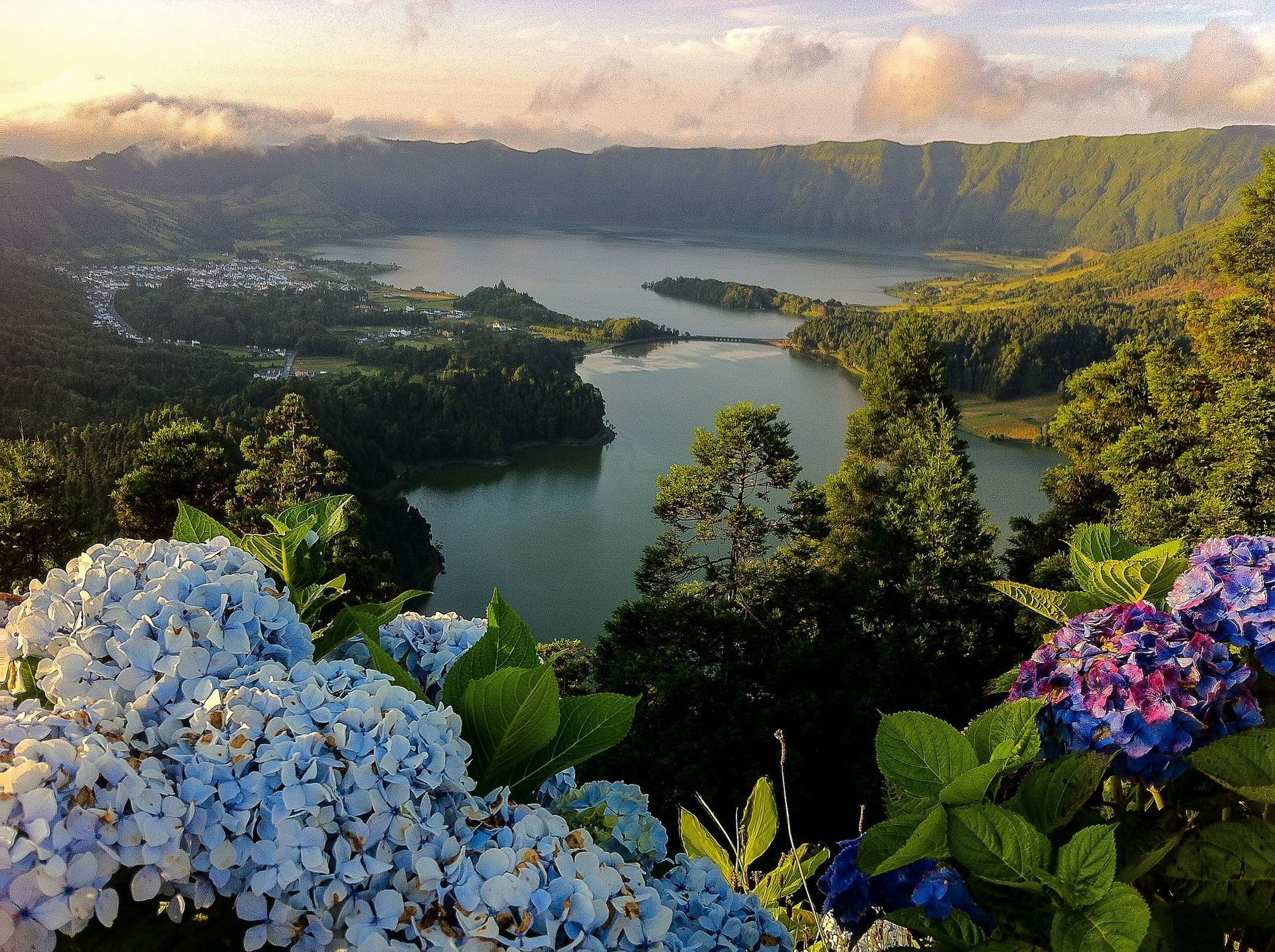
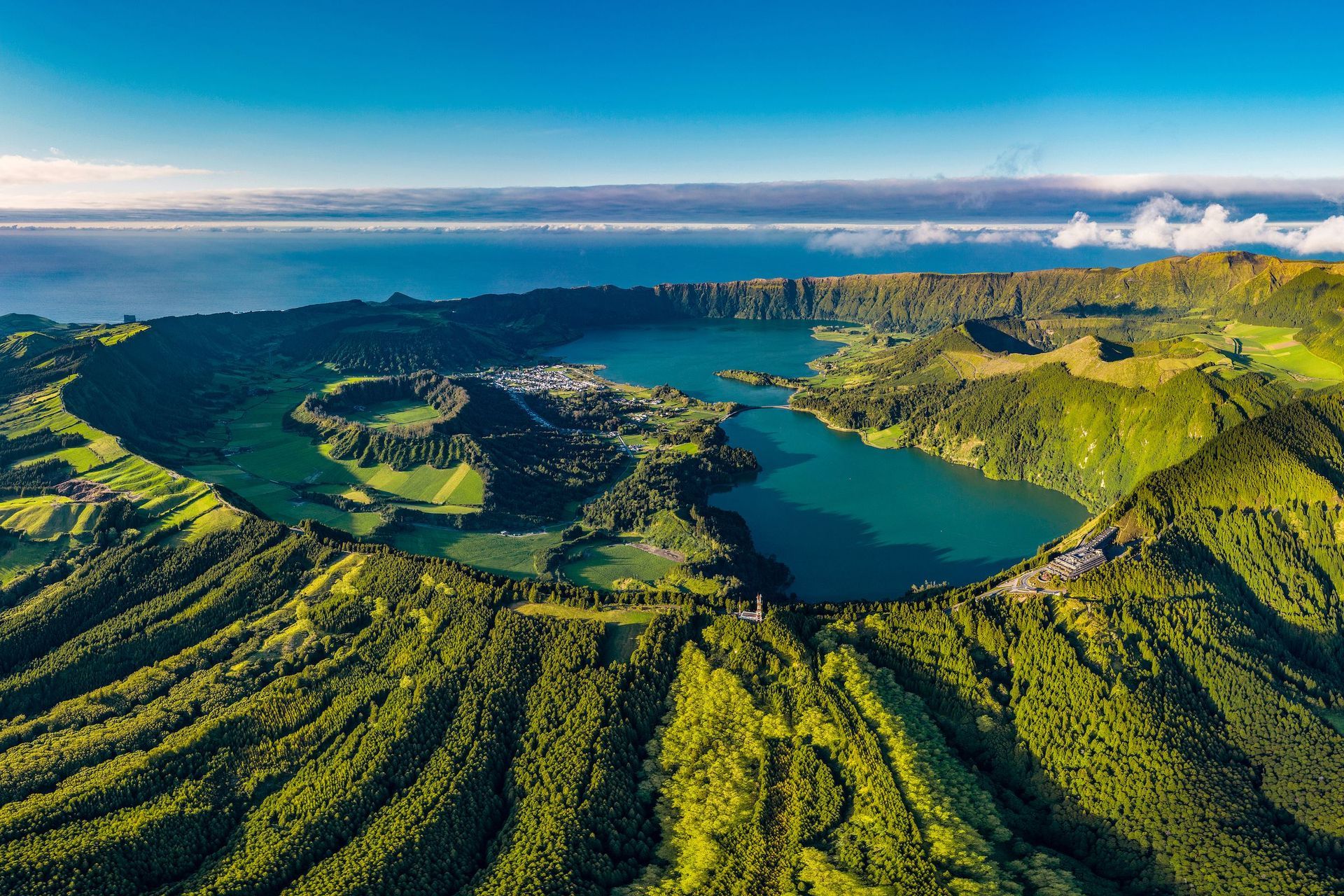
The thunderbolt of awe strikes the moment you crest the ridge and see the world, wild and wide, reaching into the distance. It’s silent up here. There’s nothing to do; no information to process or problem to solve.
There’s just the world. The folded green patchwork threaded through with the blue accent of twisting rivers. For a while, your inner world reflects the outer. Spacious. Still. Finally, the ceaseless chatter of the voice in your head has dissolved like mist in the wind.
Practice life can feel like it’s perfectly designed to stress us out. Spending a lot of time around suffering takes a huge, but mostly invisible, toll. We’re constantly expected to do more with less. These days, consult times feel more like speed dating than medical information gathering.
While it’s not a panacea, there’s a substantial body of evidence that supports the positive impacts of adventure on both mind and body.
And this does
not need to mean Herculean expeditions. When people hear the word ‘adventure’, it often conjures up images of the extreme end of the scale like walking across continents, summiting mountains or spending weeks at sea. We can’t all be Cal Major (although we wish we were). Fortunately, us mortals can benefit hugely from just getting outside somewhere new.
How adventure is medicine for your mind and body
Getting some adventure in your life offers a combination of mental and physical health benefits that are tightly woven together.
Exercise/movement
Time spent outdoors leads naturally to activity and movement. Forest trails invite walking. Hills beckon you to climb. Moving your body in nature is what we’re designed to do, and doing it comes with an almost ludicrously long list of benefits. Exercise strengthens your heart and lungs, builds muscle and works to prevent a slew of conditions like heart disease, cancer, diabetes and even Alzheimer’s. And that’s barely scratching the surface.
It doesn’t have to be intense, either. Walking, hiking, cycling and SUPing all confer improvements to strength, endurance and flexibility. The calorie burn of even these low-intensity activities can really add up, too.
And if you do want to push yourself, you get all the more of these crucial physical benefits. These benefits really do compound. The more often you do this, and/or the more intense it is, the greater the benefit to your physical health.
Exercising in nature is also generally more fun than doing the same thing in a dimly-lit gym. Contrast the monotony of time on the treadmill versus a walk in the pine forests or a tropical jungle. And nature will forever be free to use. At least until the robots take over.

"
If you think adventure is dangerous, try routine; it's lethal
"

Resilience
It’s something I’ll keep repeating in this article - adventure doesn’t need to involve ridiculous amounts of hardship or extreme feats of endurance. That said, getting out into the world pushes you out of your comfort zone.
Wild swimming in ice-cold lakes and trail running up bleak fells do a particularly good job of this, but even things like navigating in an unfamiliar place or getting on an aeroplane can be pretty uncomfortable for people.
And getting uncomfortable a bit more frequently can, over time, really work to expand your internal comfort zone. This carries over into daily life. Knowing that you can handle surfing in the midst of a storm (done it - don’t recommend) or zip-lining through a cloud forest really makes that aggy client on Monday morning feel like less of a big deal.
Connection
Adventure very often involves other people. As we know so well from being at work - the sense of togetherness that comes from being in the trenches together is strong. Especially when you’re all pulling towards a common goal, like climbing a mountain or seeking for wildlife.
This is the same when you’re out in the world. The wide variety of adventure-based ‘team building’ activities attests to the bonding that happens when people adventure together. Exploring with others not only makes the whole thing more enjoyable and sustainable,
Social connection in general is an absolutely essential ingredient to overall wellbeing. It makes you happier, less anxious and has even been shown to have a significant positive impact on physical health - improving immune function, lowering cortisol levels and improving cardiovascular health.
Conversely, the deleterious impacts of loneliness have been compared with smoking 15 cigarettes per day. With rates of loneliness soaring amongst people of all ages, getting out into the world with others offers a tonne of benefits to both physical and mental health.
Physiological calming
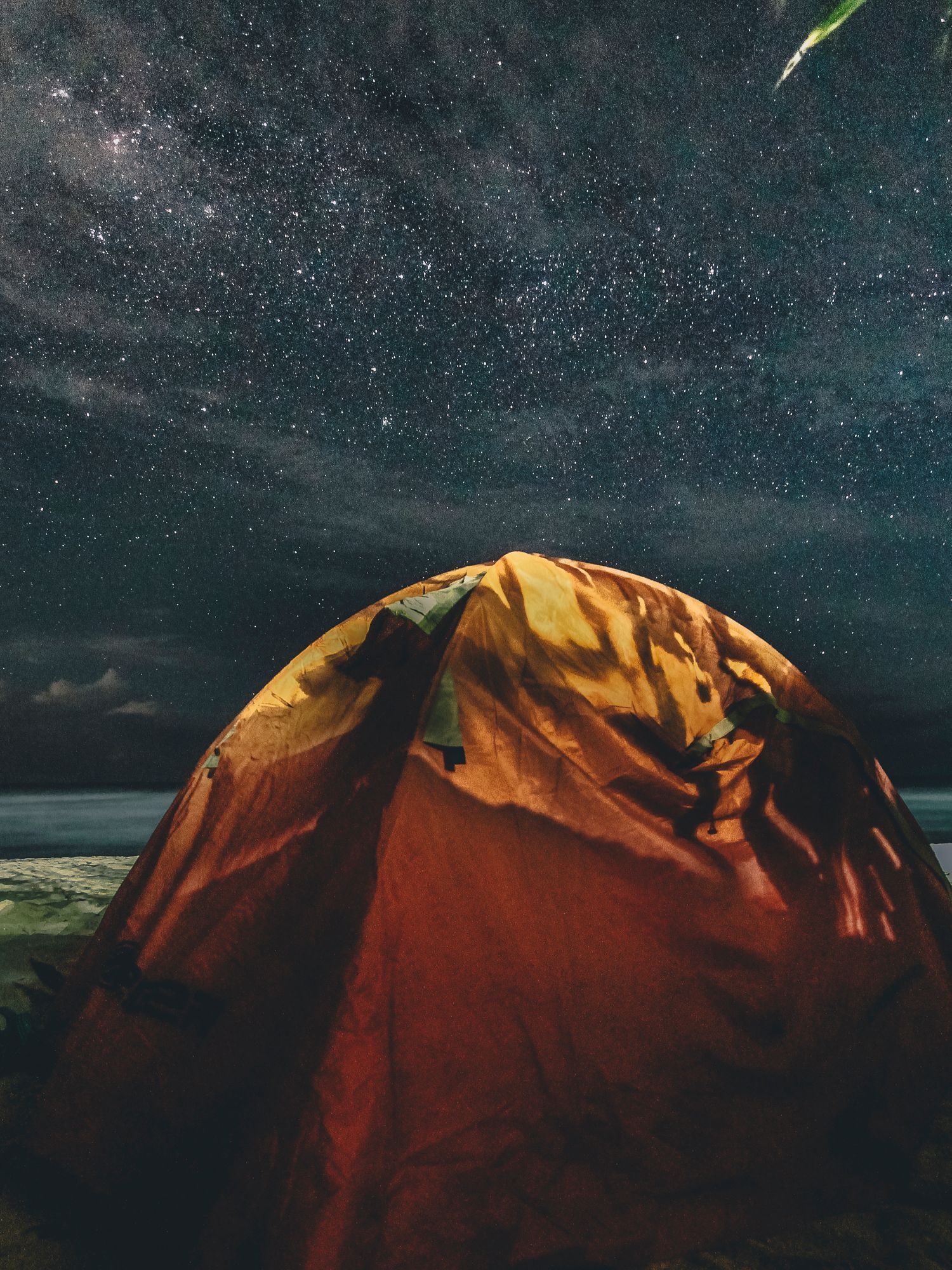
Here’s where the physical and mental benefits of adventure really start to overlap. Time in nature has been shown to induce calming physiological effects, reducing stress hormones and promoting neurochemicals responsible for happiness and calm.
The Japanese practice of
shinrin-yoku (forest bathing) is particularly powerful for this.
The depth of the nature does matter. Denser wilderness results in stronger physiological recovery effects than parks or gardens. The wilder the better.
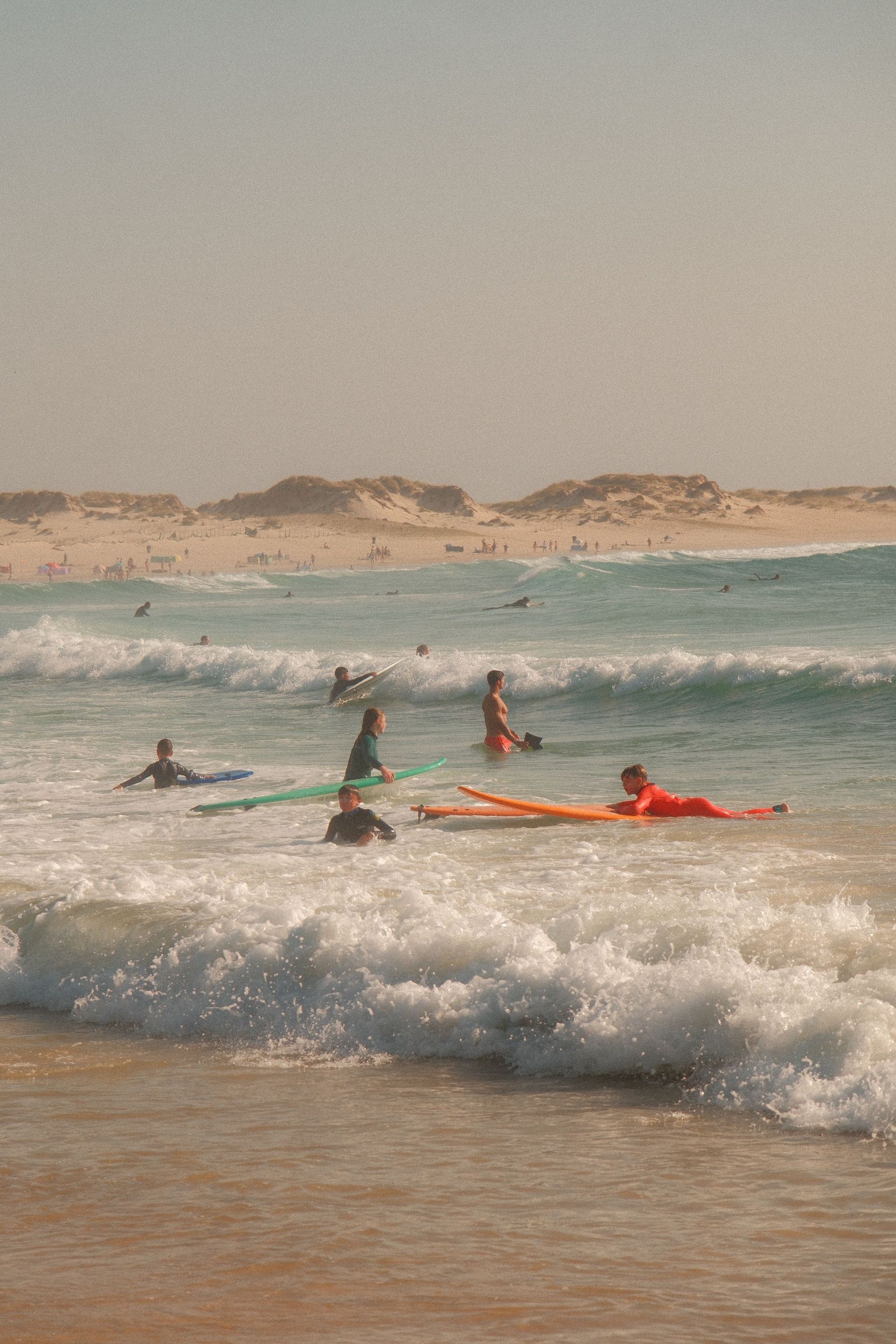
Research into the phenomenon known as “blue mind” indicates the exposure to water in rivers, lakes or the sea can lower heart rate, reduce blood pressure, decrease cortisol and increase both dopamine and serotonin levels. A real cocktail of biochemical good stuff.
This is a big reason why we all flock to the sea on our holidays! We’re naturally drawn to water. After all, we
are water!
And we all know of someone who’s become an ice-swimming devotee. Those who routinely hurl themselves into freezing water wax lyrical about the mind-clearing and energising effects of their dips.
The evidence appears to be on their side, too. One 2018 case in the
British Medical Journal Case Reports
described a patient with treatment resistant depression who achieved full remission following a programme of cold water swimming. A study conducted in 2020 found reported improvements in mental health of 72% in cold water swimmers; the posited mechanism being a large surge in norepinephrine following cold water exposure.
Mindfulness
Getting out into the wild naturally fosters a greater presence and attentiveness to the world. Not only are you free from the usual barrage of messages and social media, being out in the world requires your undivided attention. This all helps to calm your mind, focus your attention and foster feelings of awe and calm.
Adventure activities are, by their very nature, often very absorbing. It’s difficult to think about a case at work while your senses are primed to photograph the iridescent flash of a rare bird or you’re hurtling down a rushing river.
That’s a large part of what makes adventure so enthralling to so many. The total absorption in what you’re doing tunes out distracting rumination and puts you into a natural flow state, where the mind is mercifully quiet and the activity all-consuming. It helps a whole lot that the amount of information you need to process in nature is, well, natural.
We’re hardwired to process natural settings. Not so much trying to juggle 33 different things at once while the phone rings and dogs bark in the background.
Travelling to new, unfamiliar places makes you more attentive to the world around you. You notice the way the architecture changes as you move through the city, or how the setting sun hits a row of buildings and gives them a honeyed glow. This engenders ever-more curiosity about the world around you. So the more you notice, the more you notice.
As with most of this stuff, it doesn’t have to be complicated or extreme. Stepping out of the ordinary in any way helps. Even simply exploring a new city is enough to blow out the mental cobwebs and have you see the world with fresh eyes.
Awe
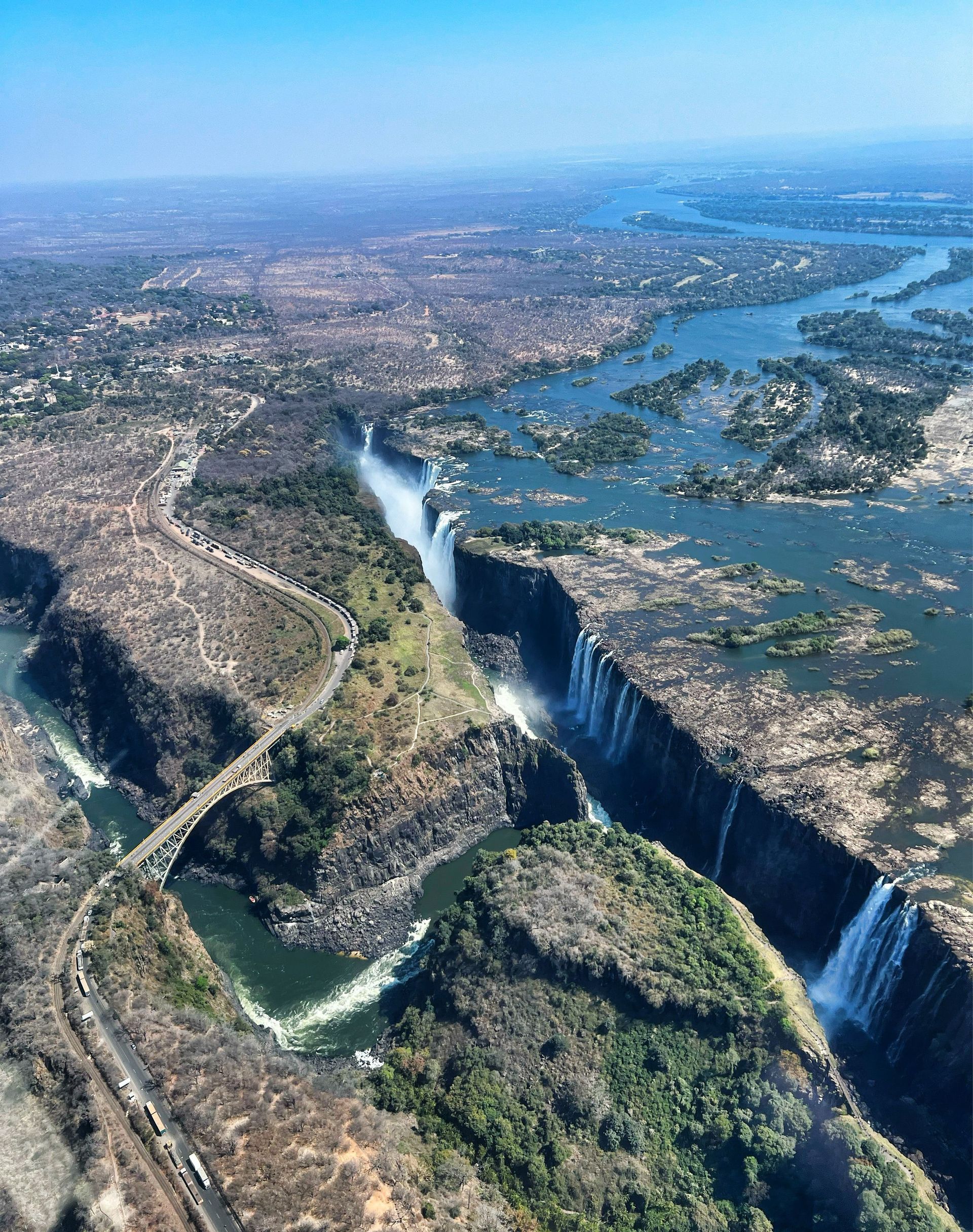
Exposure to particularly beautiful and expansive natural settings also promotes feelings of awe and gratitude. Feeling awe in nature doubles-down on all of the beneficial effects of getting outside.
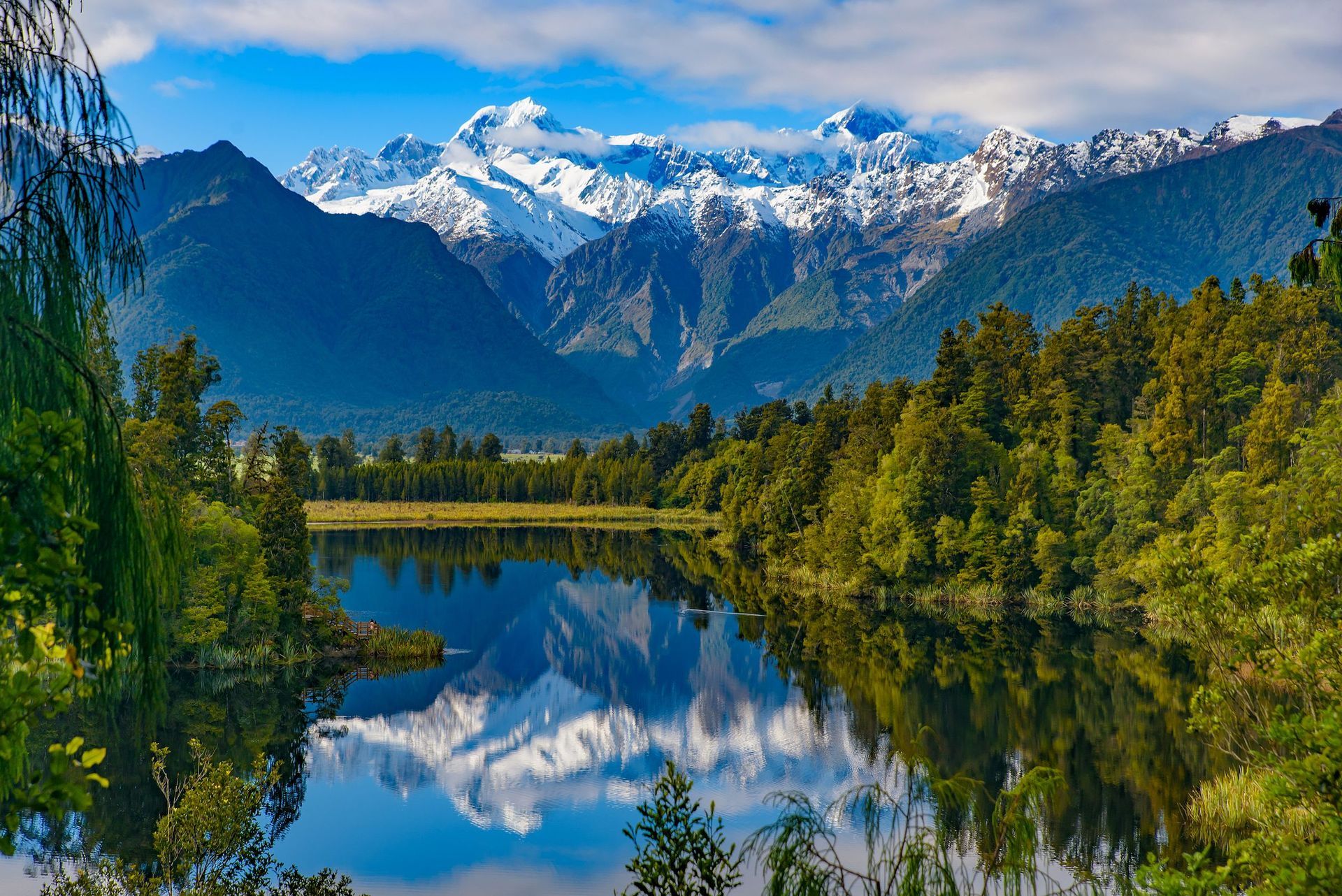
Vastness is the most reliable route to feelings of awe and wonder. A giant primeval fence of mountains, their snow-capped peaks grazing the clouds; endless blue ocean relentlessly beating its timeless rhythm; the unfathomable depth and age of a starry sky. Confronted with these, you’ll immediately feel goosebumps, that space open in your chest and a wave of chills wash through you.
It activates the vagus nerve, promoting calm, while also triggering the release of dopamine. Awe turns up the dials of both relaxation and joy at the same time, leading to that signature feeling of being at peace with the world. This all leads to lower cortisol and reduced blood pressure.
Awe also helps to reduce activity in the brain’s Default Mode Network, the midline cortical networks responsible for the ceaseless chattering that we’re all normally buffeted by. Rumination, worry, stress all fall away in the face of a sweeping redwood forest or the thundering of Niagara Falls.
How to get more adventure in your life
Okay, so you can see why getting out into the wild is a good thing. But how??.
The first and most important thing to say here is that adventure doesn’t have to be a big deal. I think too many people are put off adventure or getting out in nature because it’s often painted as overly difficult: the preserve of superhumans. Or at least people with endless time and money on their hands. However, both nature and its benefits really are for everyone.
While the best of the benefits come from deep, prolonged exposure to wilderness, you’ll get a lot of the good stuff even with relatively low-effort activities.
Could you swap time on the treadmill for a walk in the woods? How about a day off at the sea or in the hills? We’re very lucky in this country to have nature pretty close by no matter where you live. Consider also how you can squeeze small doses of adventure into your day. What could you squeeze in before a shift? Or after one? Even doing things like taking a different route to work can take you out of your mind and into the world.
Start small and comfortable, working your way up as you feel like it. Don’t feel like you need to ‘achieve’ anything by racing towards extreme adventure. Make it easy. Make it fun. Otherwise it’ll quickly fall by the wayside, having become overwhelming and yet one more chore to do. Adventuring as part of a group is a wonderful way of making it more fun, and making you more likely to do it!
Micro-adventuring
Small ways to get your dose of adventure no matter how busy you are.
- Forest bathing: go for a long walk in the woods, leaving your phone at home. Take a moment to appreciate your surroundings and listen to the sounds around you: twittering birds, rustling bush, trickling streams and the crunch of your slow steps on the ground.
- Back garden camping: Grab a tent and a sleeping bag and enjoy your own private campsite!
- The 5-9: The next step from #2. Take your tent somewhere wild for one night only.
- Swim wild: Whether in a lake, river or the sea
- A weekend in the hills: Spend a full weekend somewhere wild, either camping or glamping
- Try a new sport: Hiking, surfing, SUPing, yoga, trail running or something else; the list is endless!
- Watch sunrise (or sunset) somewhere pretty: Get up early and head to a beauty spot to watch the first golden rays breach the horizon.
- Go birdwatching: You’ll learn a lot about mindfulness, wildlife, patience and get plenty of time in nature to boot!
Travel is, of course, one of the best ways to roll all of these things together in one go. The novelty of your surroundings draws out curiosity and mindful attention. Your mind will be quieter and more peaceful - untouched by the multitude of dubious crises roiling away back home. You’ll find yourself moving more, whether walking through the urban park of a new city, hiking up a mountain for those jaw-dropping views or rolling with the flow of river or sea.
We’re wired to want to explore the natural world. After all, we are nature. And there’s a whole lot of it out there. What are you waiting for?
References
- Understanding Nature and Its Cognitive Benefits, Sage Journals 2019, , Volume 28, Issue 5 Kathryn E. Schertz & Marc G. Berman
- Nature-Based Outdoor Activities for Mental and Physical Health: Systematic Review and Meta-Analysis. SSM Population Health 100934, 2021 Oct 1. Peter A. Coventry, Jennifer V.E. Brown, etc.
- Martino J, Pegg J, Frates EP. The Connection Prescription: Using the Power of Social Interactions and the Deep Desire for Connectedness to Empower Health and Wellness. Am J Lifestyle Med. 2015 Oct 7;11(6):466-475.
- Social connection linked to improved health and reduced risk of early death. Saudi Med J. 2025 Jul;46(7):843-844.
- James S. House et al. ,Social Relationships and Health.Science241,540-545(1988).DOI:10.1126/science.3399889
- Barton J, Rogerson M. The importance of greenspace for mental health. BJPsych Int. 2017 Nov 1;14(4):79-81. doi: 10.1192/s2056474000002051.
- Keltner, D. J., & Haidt, J. (2003). Approaching awe, a moral, spiritual, and aesthetic emotion. Cognition and Emotion,17(2), 297–314.
Recent Posts