Why you should travel in green season
Written by James Lewis
VetSetters Co-founder, travel philosopher and lover of lakes, mountains and words. Occasionally funny.
The months nobody asks about
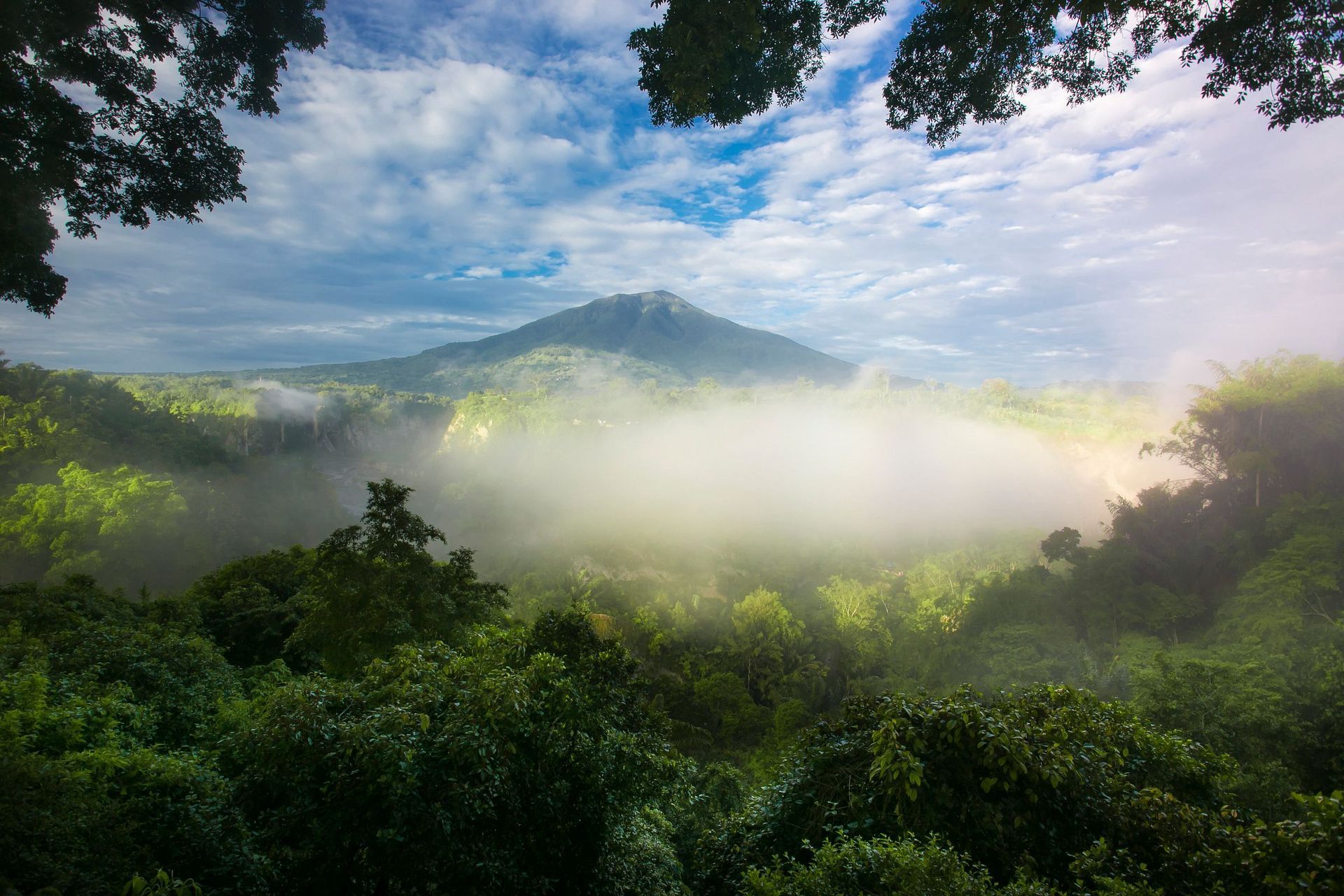
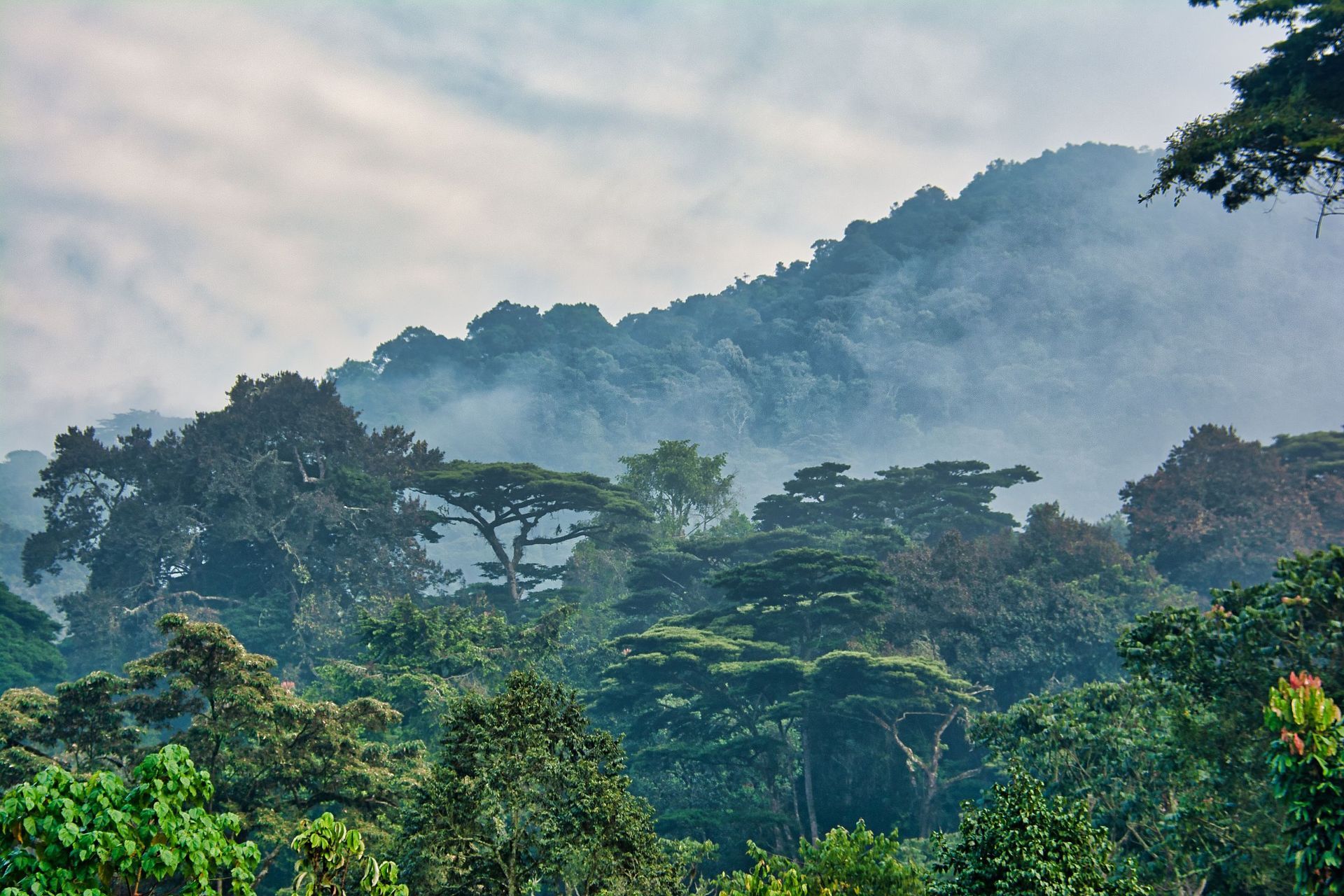
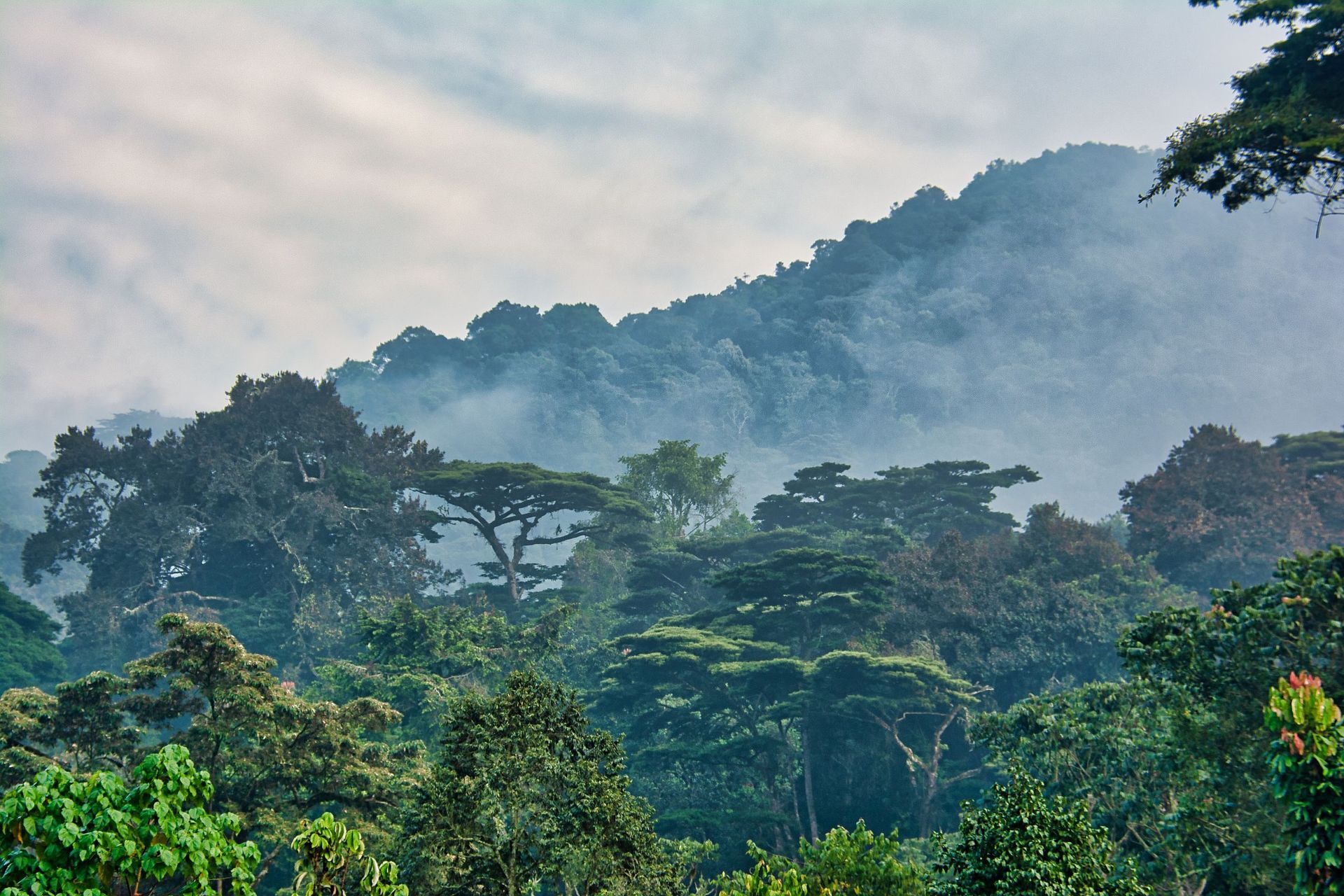
Nature had come back to life. The echoing thunder had cleared and the blue sky was filled with the whistles and trills of avian soliloquy. The corridors of the rainforest rustled as a cool breeze cut through the humidity and the heat of the sun. The psychedelic colours of a macaw flashed in the sunlight as it broke cover.
This isn’t how it’s supposed to be.
Is tropical travel all or nothing?

It’s a classic piece of ‘received wisdom’. The ‘rainy season’ is best-avoided. Or it’s when you go if you have no other choice. And the vast majority of people follow this maxim. Tourist numbers fall dramatically from their peak period. But is it really the washout that people imagine it is? Or is the old dichotomy of ‘dry vs wet’ an unnecessarily-reductive way of thinking about travel to the tropics?
In service of answering this question, we found ourselves in Costa Rica, during the time described by one of our trade partners as a “must-avoid”.
A force of habit
We Brits have a unique relationship with the weather. It comes with the territory. Another bleak November day scurrying through grey concrete streets under a sheet-metal sky is enough to make anyone an ardent sun-seeker.
This has informed how we approach travel since the early days of mass-market holidays. The package holiday boom was founded on the new availability of easy-access sunshine.
There’s something in here about how we think, too. Without getting too philosophical - we like to put things in boxes. Making full use of our mighty prefrontal cortex, we make the world easier to understand and predict by putting it into neat, tidy conceptual categories. Like, for example, ‘wet season’ which is nice and distinct from ‘dry season’. All of this makes it easier to make decisions about stuff. And our energy-hungry brains love it when things are simple and easy.
The only problem is, the world outside our heads is messy. It doesn’t fit into neat, tidy conceptual categories. And here we see how black-and-white thinking can blind us.
It’s unpredictable
The reality is that in the tropics - particularly in the rainforest - rain can happen at any time. It may be slightly less frequent during dry season, but it still happens. Equally, travel during wet season is no guarantee of rain.
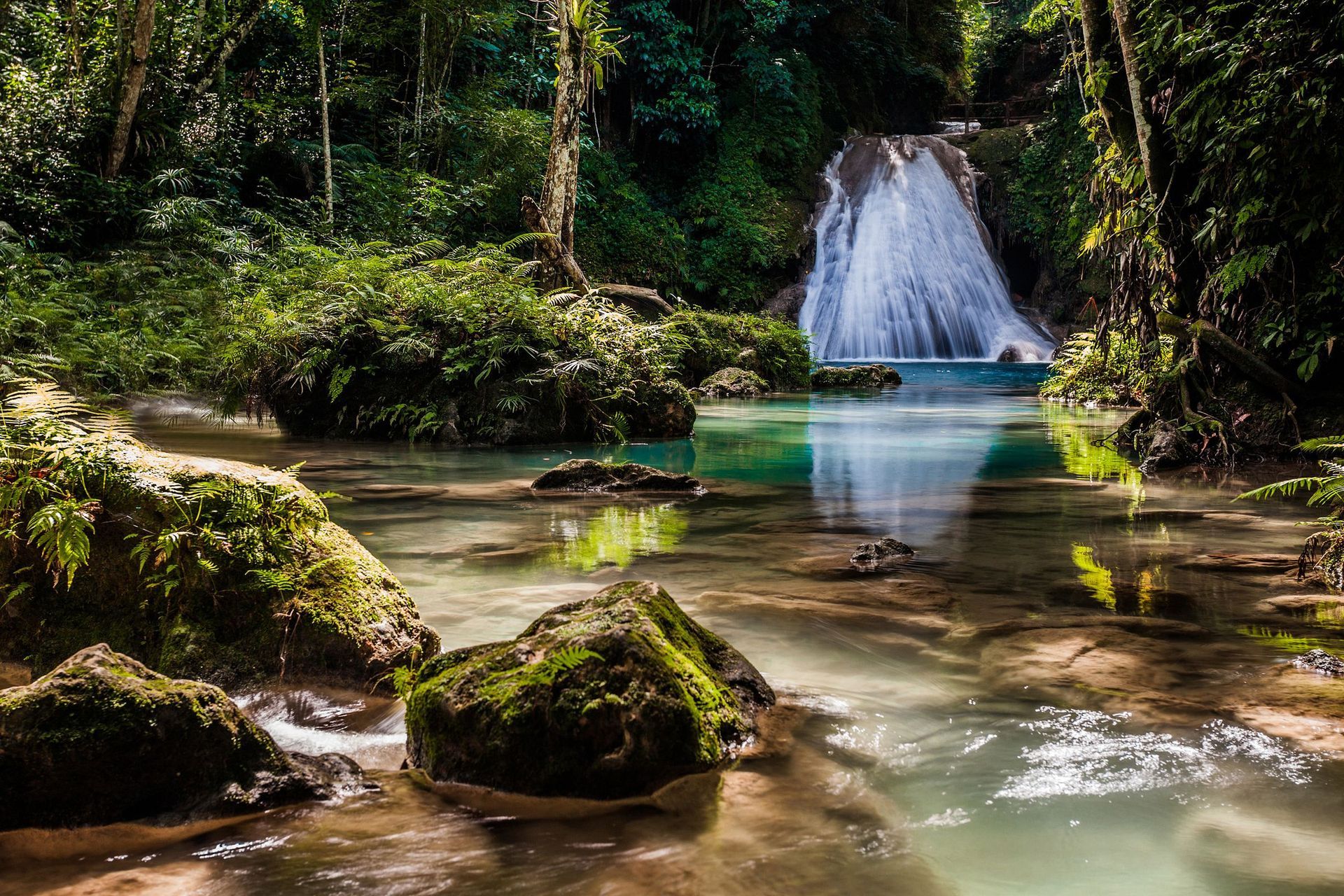
And so it proved. Having imagined constant, monsoon-like downpours, the first two days in Costa Rica’s ‘no-go’ season passed with a sky that stayed defiantly blue. The air was still and heavy. And for us the cool forest pools were an absolute dream.
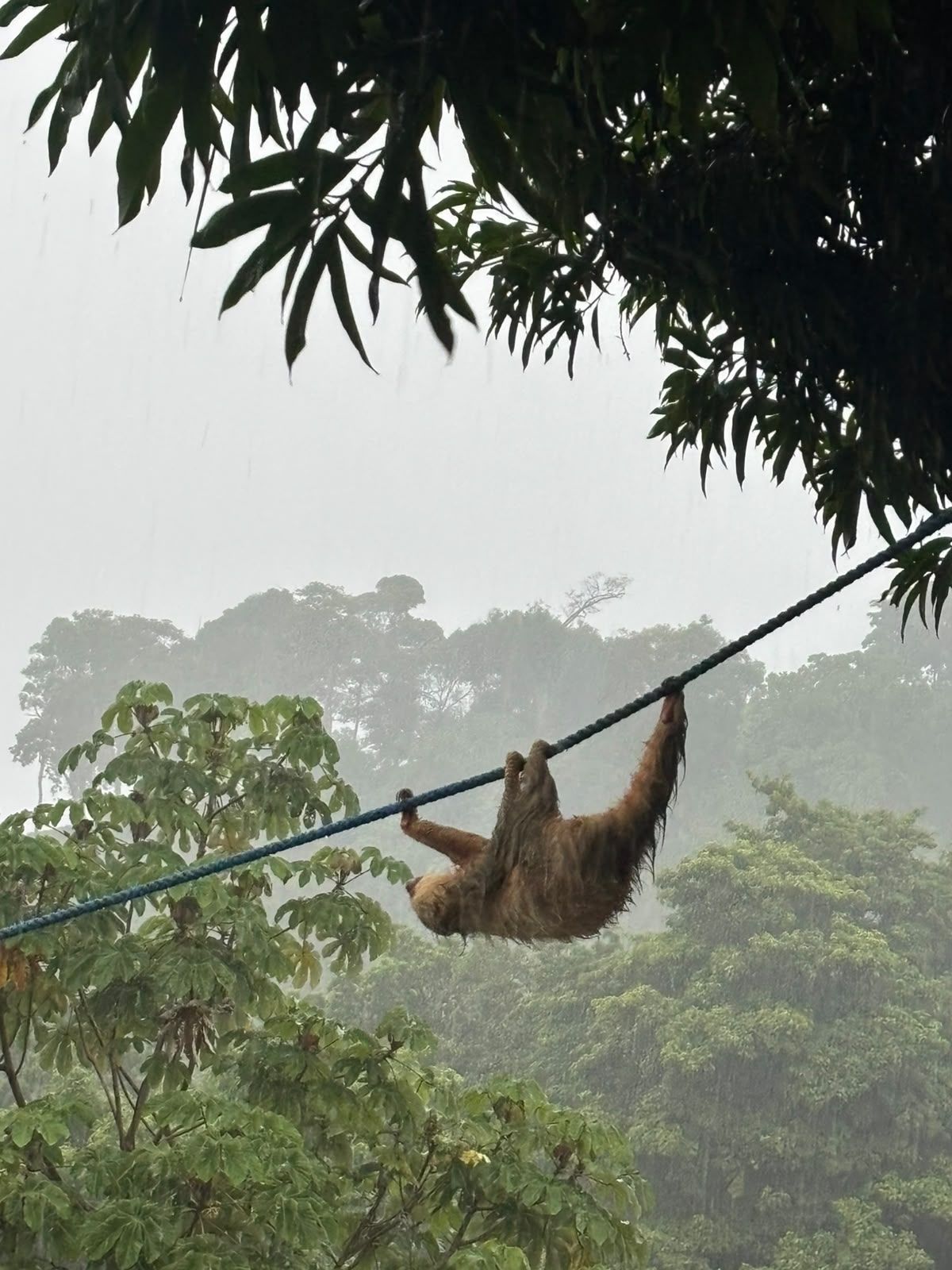
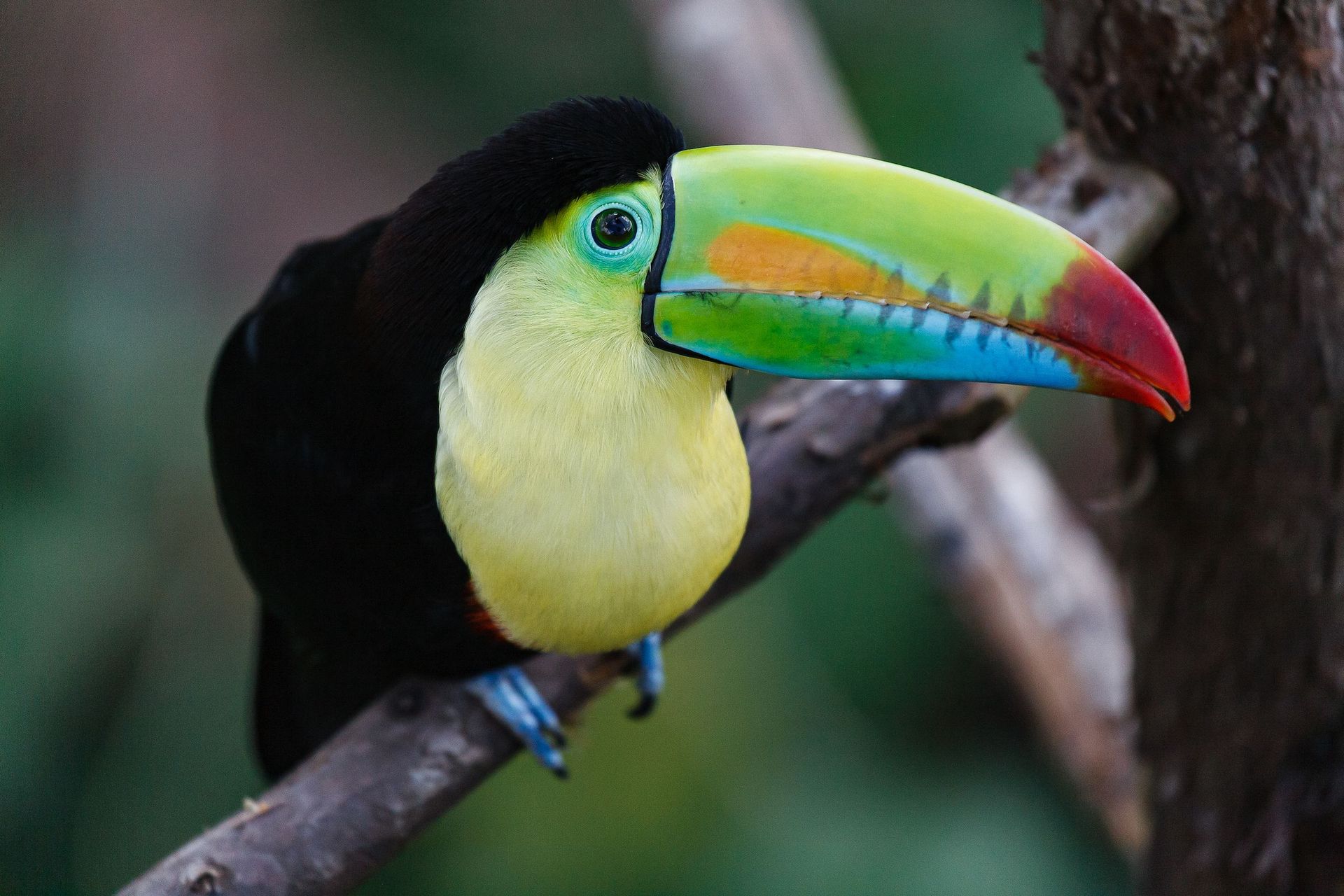
Here, though, the heat of the sun isn’t always what we’re hoping for. Under the heat of its glare, Costa Rica’s wildlife retreated. The monkeys were quiet. Toucans and quetzals were nowhere to be seen. A solitary sloth lounged lazily inside a cradle of Cecropia branches.


"
Would you let a bit of rain stop you seeing something you'll remember forever?
"

Green, not rainy
Unlike a typical beach holiday, when you’re in the tropics looking for wildlife the rain is no bad thing. You’ll quickly see why locally they call it “green season”, not rainy season. Creatures of all kinds are most active after a period of rainfall.
Vegetation becomes flush with moisture and release fresh nectar, sparking a chain reaction all the way up the food chain. Insects and herbivores are lured out by soft soil and active plants; frogs and reptiles enjoy the chance to grab a drink. This all catches the attention of the predators and bigger animals. Before long, the whole jungle is fizzing with movement and life.
During dryer spells, all of this activity would be wound down. Dehydration is a real risk for wildlife when exposed to equatorial sunshine at max strength. Conserving energy is the name of the game. And there’s another big reason why animals stay sheltered during the peak period - a swarm of migratory bipedals descends upon them.
Is sharing caring?
An inescapable fact of travel during dry season is that you’ll be sharing the destination with people as much you will wildlife. Everything becomes that bit more crowded. And when you’re looking carefully for the furtive movements of capuchins through the ferns, this really makes a difference.
The crowds also come with the side-effect of pushing prices up. It’s economics 101: as demand grows and supply shrinks, prices rise. Because most people are put off by the words ‘rainy season’, the price of travel to somewhere far-flung and tropical - whether Latin America, Africa or South East Asia - is often massively reduced.
All of this creates a picture that’s pretty compelling. The reality is that superb prices, minimal crowds and peak wildlife activity, all in exchange for a higher chance of rain, is quite an amazing combination.
Why are we travelling?
Of course, going in green season won’t be right for everyone. Travelling during dry season gives you more confidence that the weather will stay clear. As the dry season across the southern tropics tends to fall from June-September, dry-season travel makes a lot of sense if you’re travelling with kids during the school holidays. Especially if a swimming pool is an essential requirement.
The rain in Costa Rica was true tropical rain. Torrential. The kind of rain you definitely don’t want to be caught in lying by the pool. This drew us into spending more time under the rainforest canopy than on the country’s beautiful beaches.
My point here is not that green season is always better, or that it’s bad to travel during dry season. It’s that being open to travelling during a time that’s usually dismissed can come with real rewards that aren’t there during the peak period. And having realistic expectations, whenever you decide to travel.
Being clear on why you’re travelling and what you’re hoping to do/see on your adventure really makes a difference. If you’re travelling to see wildlife and to immerse yourself in the nature of the country, travel in green season gets you there.
Ask yourself: would a bit of rain stop you from seeing things you’ll remember forever? You’ll quickly forget getting a bit wet. The same can’t be said for the moment when the dark shawl of a rainy sky sets animals running for shelter and the rumble of thunder is like an earthquake in the air.
Not even a downpour could put a dampener on that.